Hojicha vs. Matcha: What’s the Difference?

Hojicha and matcha. Both are among Japan’s representative green teas, but they each possess distinct characteristics in flavor, aroma, production method, nutritional components, and even caffeine content.
Hojicha, with its roasted fragrance and refreshing taste, contrasts with matcha, which has a mellow umami and deep flavor. Many people may wonder which one better suits their lifestyle and the occasions when they drink tea.
In this article, we will clearly compare the differences between the two while carefully exploring their unique appeal.
Differences in Production, Color, and Main Characteristics
Both hojicha and matcha use leaves from the same plant, Camellia sinensis, as their raw material. However, because their processing methods after harvesting are very different, their aromas, flavors, and appearances also differ significantly.
Hojicha: Production and Characteristics
Hojicha is characterized by tea leaves that are roasted at high temperatures after harvesting. Through this roasting process, the leaves turn brown, and bitterness and astringency are softened, resulting in a gentle and refreshing taste with a smooth mouthfeel.
Another unique charm of hojicha is the fragrant, calm aroma that rises when hot water is poured over it.
Thanks to its mild flavor and aroma, hojicha is enjoyed by a wide range of people from children to the elderly, and is cherished in various everyday situations.
Matcha: Production and Characteristics
The raw material of matcha is a type of tea leaf called tencha. For tencha, tea fields are covered several weeks before harvest to block sunlight. This process turns the leaves a vivid green and develops their distinctive flavor.
After harvesting, the leaves are steamed and dried, then stems and veins are removed. The remaining parts are carefully ground into a fine powder using a stone mill. The resulting matcha is unique in that it is dissolved in hot water and consumed as is, allowing one to ingest all the components contained in the tea leaves.
Differences in Flavor and Aroma
Flavor and Aroma of Hojicha
Hojicha is characterized by a gentle mouthfeel and a refreshing taste with clean tasting. Bitterness and astringency are mild, with a gentle hint of sweetness and a light aftertaste that spreads pleasantly.
The roasted aroma that rises when hot water is poured over it is also unique to hojicha. This comforting fragrance gently relaxes the mind, making it the perfect cup when you want to unwind.
It is especially popular after meals, as its refreshing quality gently balances the palate.
In addition, depending on which part of the leaf is used and how strongly it is roasted, the taste can vary widely—from lightly delicate types to those with slightly deeper richness. This versatility to match mood and preference is one of hojicha’s appeals.
Flavor and Aroma of Matcha
When you taste matcha, the first impression is mellow, deeply layered umami. To this umami, the faint bitterness distinctive of matcha is added, creating layered flavors and allowing for a complex, rich taste.
Matcha also has a major characteristic known as “covered aroma,” a verdant fragrance produced by the shading cultivation method in which sunlight is blocked. This aroma evokes a freshness of young plants and greenery.
Furthermore, the finely ground powder produces a smooth texture on the tongue, creating a creamy and refined mouthfeel. Flavor, aroma, and texture harmonize together, offering a profound depth to savor with all five senses, highlighting the unique character of matcha.
Differences in Preparation
How to Prepare Hojicha
Hojicha is generally prepared by pouring hot water over tea leaves in a teapot, kyusu, or using a tea bag. Its main charm is that it can be enjoyed casually in daily life without the need for special tools.
By adjusting water temperature and steeping time, you can tailor the strength of flavor and aroma to your preference. Since the taste also varies depending on the part of the tea plant used, even with the same brewing method, it can produce a variety of flavor experience.
How to Prepare Matcha
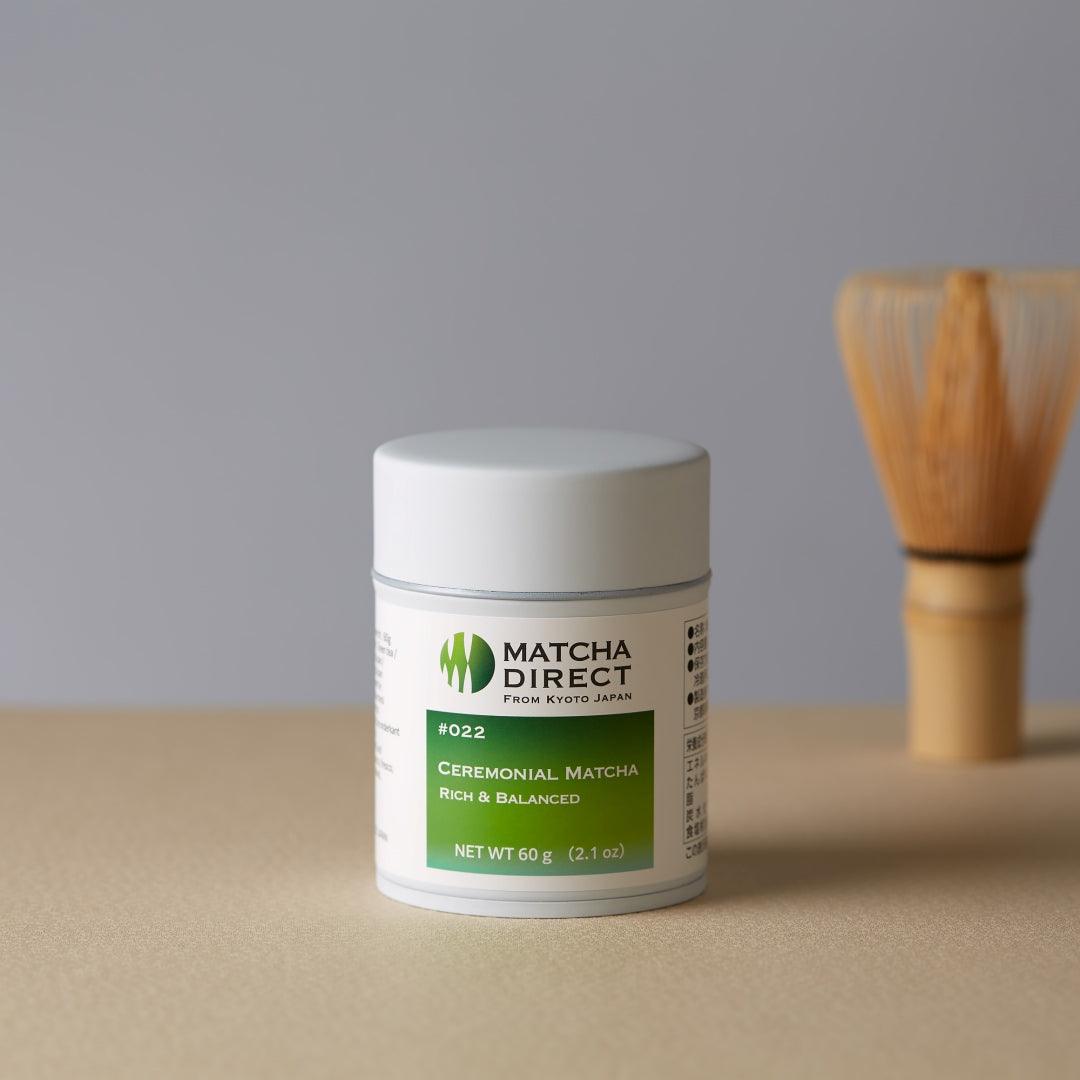
Traditionally, matcha is prepared using a special whisk called a chasen. Hot water is poured over the powdered tea, and the chasen is used to carefully whisk it into a fine foam, creating a smooth, creamy mouthfeel.
Although it requires a little extra effort, the act of whisking the tea itself becomes a calming moment, allowing you to enjoy not only the taste and aroma but also the sound and movement—something unique to matcha.
Differences in Nutritional Components
Nutritional Components in Hojicha
A particularly noteworthy component in hojicha is pyrazine, which is generated during roasting. Pyrazine is responsible for hojicha’s distinctive roasted aroma, and this gentle fragrance is said to have a calming effect. Thanks to this aromatic quality, hojicha is widely enjoyed as a tea for relaxation in daily life.
Also, since the manufacturing process involves roasting the leaves at high temperatures, some of the catechins abundant in green tea are broken down by heat. Catechins, a type of polyphenol, are responsible for bitterness and astringency; as their levels decrease, hojicha develops a milder, less astringent, and more refreshing taste.
Nutritional Components in Matcha
Because matcha is consumed as a whole powdered leaf, its nutrients can be ingested without waste, which is one of its most notable features.
One of its main components is theanine, an amino acid that contributes to umami. Theanine is believed to have a calming effect and, together with matcha’s mellow taste, is known to help soothe the mind. Alongside pyrazine in hojicha, it is one of the components that supports relaxation.
Matcha also contains catechins, known for their antioxidant properties. While the shading cultivation used for tencha somewhat reduces catechin production, beneficial compounds such as epigallocatechin gallate (EGCg) remain well preserved.
In addition, vitamins A, C, and K, as well as minerals such as calcium and iron, and dietary fiber are present in balanced amounts, making matcha widely appreciated not only for its flavor but also for its nutritional benefits.
Differences in Caffeine Content
Caffeine in Hojicha
Hojicha contains about 20 mg of caffeine per cup, making it widely recognized as a tea relatively low in caffeine.
This is thought to be because part of the caffeine is broken down and volatilized during the high-temperature roasting process. In addition, “kuki hojicha” (stem hojicha), which uses a large amount of stems—naturally low in caffeine—contains even less, and is particularly enjoyed as a low-caffeine tea.
Because of this, hojicha is often chosen by people who want to limit caffeine intake or enjoy a relaxing time.
Caffeine in Matcha
Matcha contains about 60 mg of caffeine per cup, which is close to the amount in regular coffee.
However, matcha also contains abundant theanine, which is said to moderate the effects of caffeine. As a result, caffeine’s effects tend to appear more gradually than with coffee, supporting sustained and calm concentration.
Due to these characteristics, matcha is often chosen in the morning or when one wishes to focus on work. By adjusting the timing of drinking it, its unique properties can be utilized even more effectively.
Choosing Matcha and Hojicha for Different Situations
Hojicha and matcha each have distinct flavors and qualities, and by choosing according to mood or situation, they can bring richer moments into everyday life.
Hojicha is characterized by its light flavor balancing roasted aroma and gentle sweetness. Its refreshing taste fits well when you want to reset your mood or enjoy a post-meal drink. The fragrance created by roasting also eases tension, naturally suiting moments when you wish to relax.
On the other hand, matcha’s appeal lies in its complex, rich flavor, combining layered umami with faint bitterness. With caffeine’s stimulating effect and theanine’s gentle action, it suits moments when you want to stay relaxed yet maintain focus. Many people choose it in the morning or during quiet work time as a cup that helps steady the mind.
By selecting hojicha or matcha according to your daily mood and activities, your tea time can become a more pleasant and enriching part of the day.
FAQ About the Differences Between Hojicha and Matcha
Q. Which is easier to drink, hojicha or matcha?
A. Perception of drinkability varies from person to person, but in general hojicha is often considered easier to drink.
Because roasting softens bitterness and astringency, hojicha develops a lightly roasted, refreshing flavor, making it especially popular among those new to Japanese tea or those who prefer gentle flavors.
Matcha, by contrast, is characterized by its concentrated umami and faint bitterness. Its depth makes it more suitable for those who want to savor strong flavors or are already familiar with Japanese tea.
Q. What is the difference in color between hojicha and matcha?
A. With hojicha, the roasting process turns the leaves brown, and the brewed tea takes on a pale reddish-brown hue. This calm color gives a gentle and soothing impression visually.
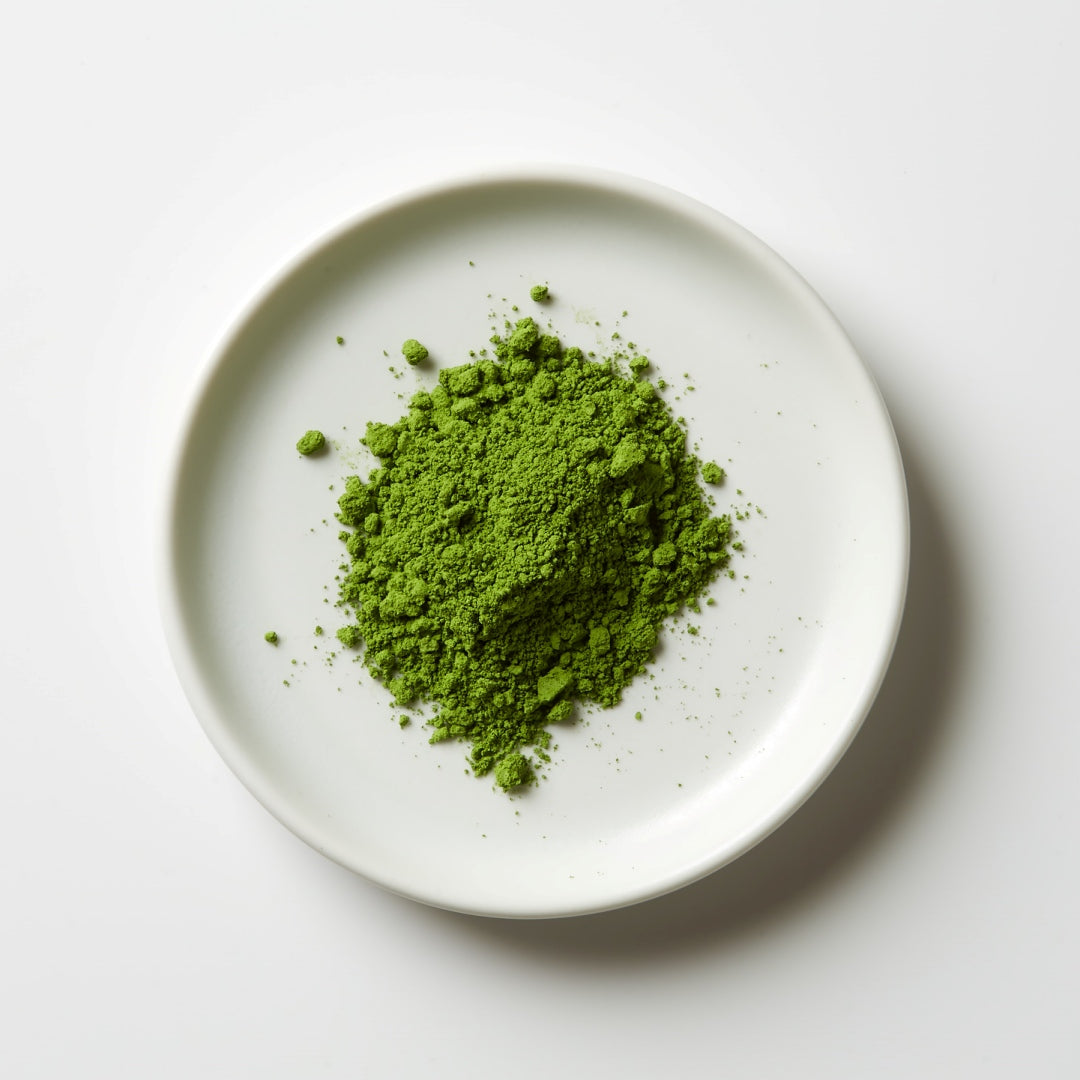
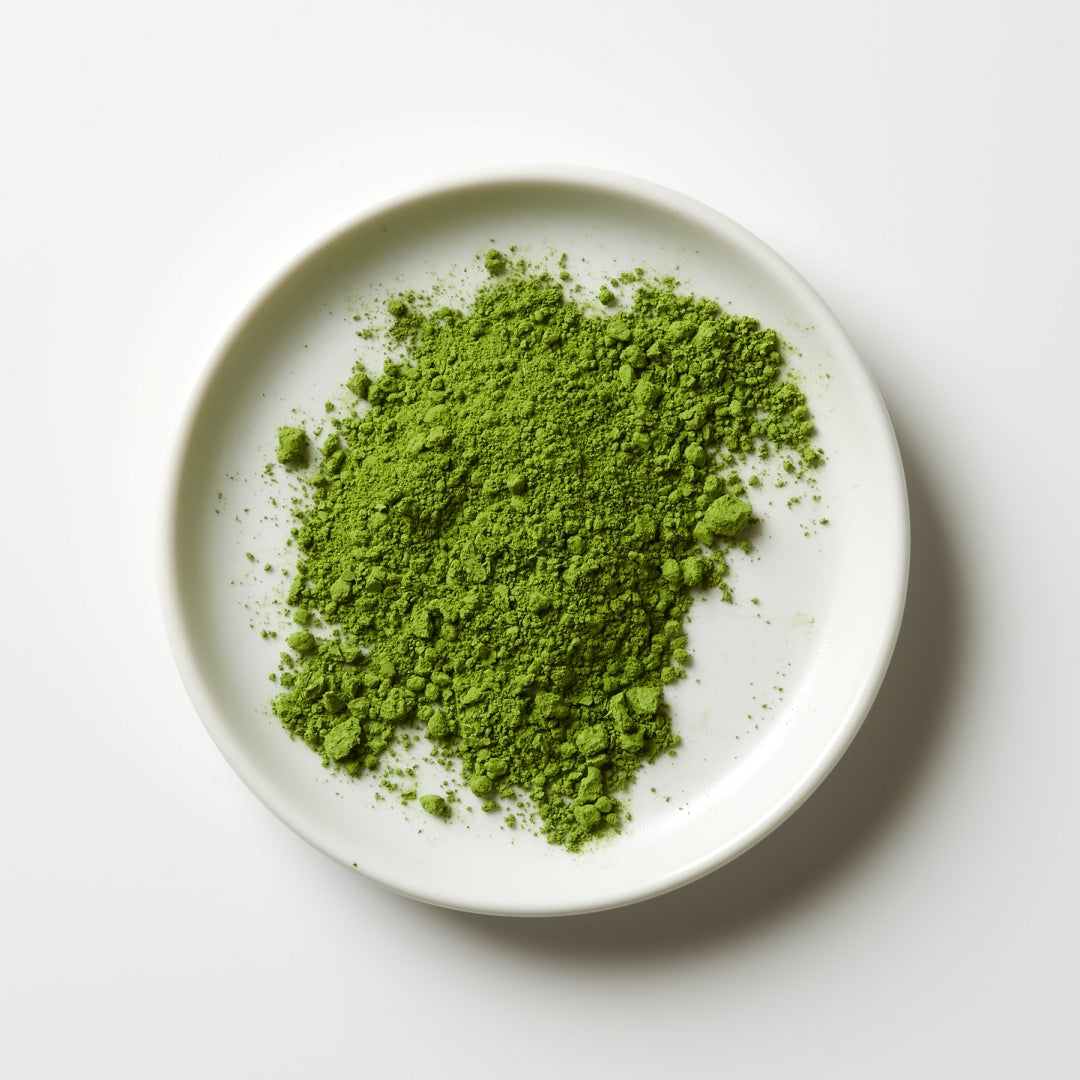
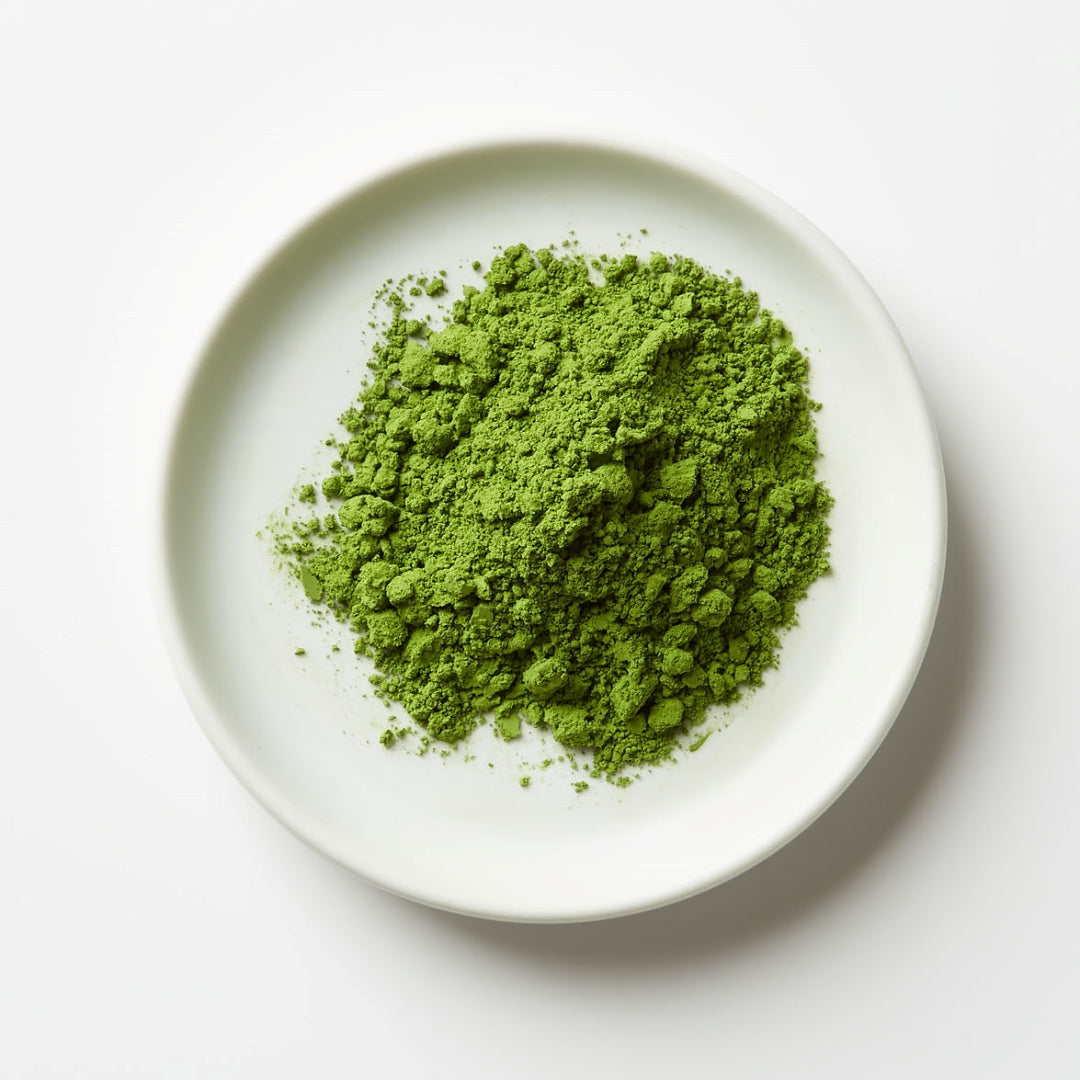
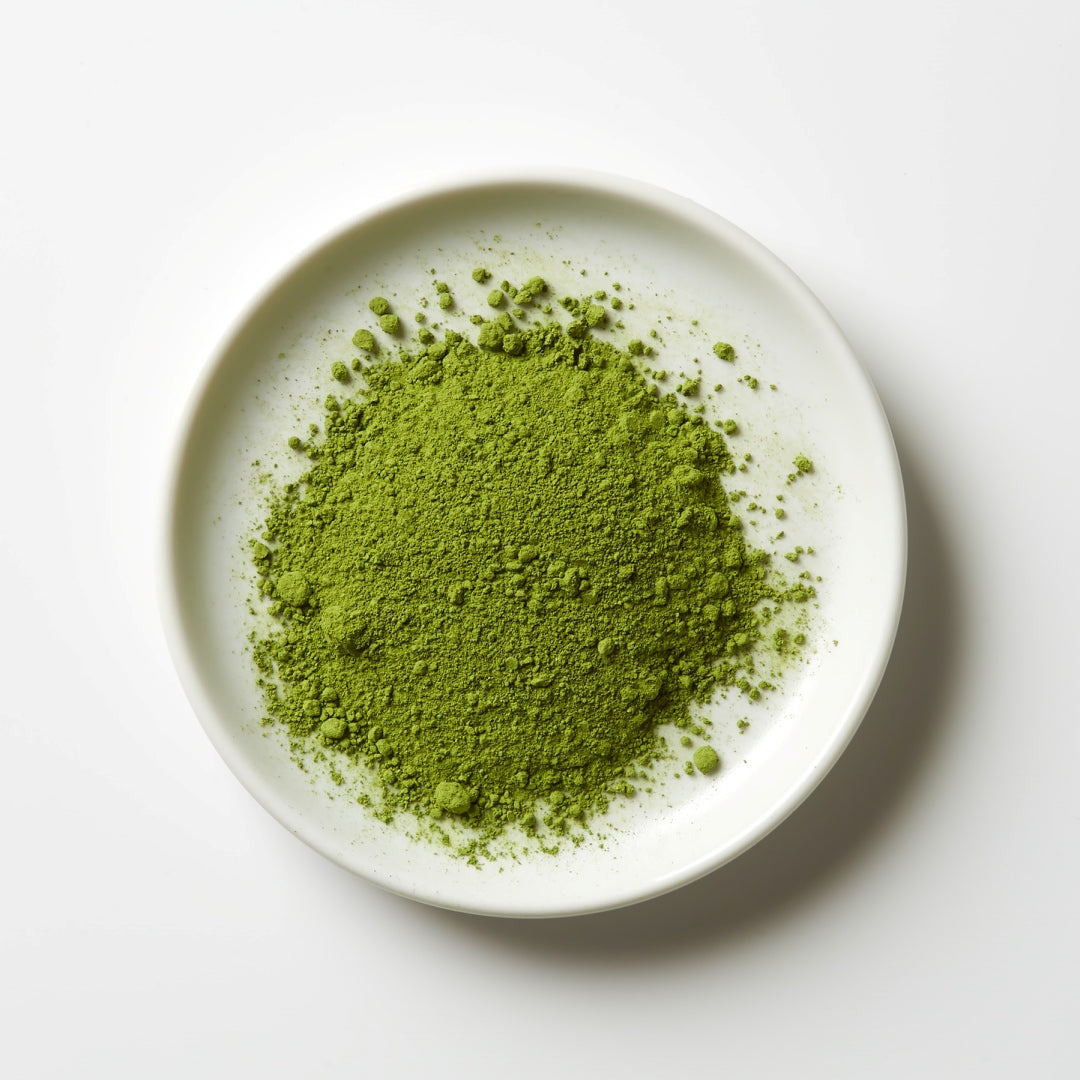
In contrast, matcha is a vivid green powder made by carefully stone-grinding shaded tea leaves. When whisked, it becomes a deep, rich green, and along with its fine, creamy texture, it offers a visually striking appearance.
Q. Is hojicha better for you than matcha?
A. It cannot be said simply which is “better,” as each has its own unique merits.
Matcha has high nutritional value since the whole leaf is consumed in powdered form, allowing you to take in vitamins, minerals, and dietary fiber. It is suited to times when you want to enhance concentration or refresh yourself.
Hojicha, on the other hand, is lower in caffeine and features the gentle roasted aroma produced by pyrazine. It is cherished as a tea that calms the mind and accompanies moments of relaxation.
By choosing according to purpose or lifestyle, either can naturally be incorporated into everyday life.
Summary
Though both come from the same tea leaves, hojicha and matcha each have their own distinctive flavors and aromas.
Hojicha, with its roasted and gentle flavor, is perfect when you want to relax. Matcha, with its rich umami and faint bitterness, suits times when you wish to shift your mood.
By choosing one or the other depending on the day’s mood or occasion, daily tea time can become richer and more enjoyable.