Why is Matcha Bitter?

Matcha, beloved around the world as a symbol of Japanese traditional culture, captivates many people with its vivid green color and distinctive flavor. However, some may wonder about the bitterness they experience when drinking it.
“Why is matcha bitter?”
This article focuses on the bitterness of matcha—explaining its causes, how to whisk delicious matcha, and methods to soften its bitterness.
Elements That Create Bitterness in matcha
The bitterness of matcha mainly arises from the following three elements:
Catechins
Catechins are a type of polyphenol abundantly contained in tea leaves, and they are the primary components responsible for the astringency and bitterness unique to matcha. matcha contains four main types of catechins:
- Epigallocatechin gallate (EGCG)
- Epigallocatechin (EGC)
- Epicatechin gallate (ECG)
- Epicatechin (EC)
Among these, epigallocatechin gallate (EGCG) is known to have the strongest antioxidant activity and is expected to contribute to health maintenance. While sencha also contains EGCG, matcha is characterized by having a particularly high amount of it compared with sencha.
However, EGCG is classified as an “ester-type catechin,” which has a distinct astringent and bitter character. Therefore, matcha rich in EGCG may offer health benefits but also tends to have a more bitter taste.
Caffeine
Caffeine is one of the naturally occurring bitter components found in tea leaves and is abundant in matcha. Unlike catechins, it has a mild bitterness. The caffeine content of matcha is said to be comparable to that of coffee and is relatively high among teas.
Consuming caffeine in moderation can enhance concentration and promote alertness, but excessive intake may have negative effects on health, so caution is advised.
Cultivation Method and Quality of Tea Leaves
The tea leaves used to make matcha are grown using a special cultivation method called “shading cultivation,” in which sunlight is blocked for about 20 days before harvest. This process suppresses the production of catechins and allows the leaves to accumulate the amino acid theanine.
Theanine is the main component responsible for the sweetness and umami of matcha. High-quality matcha contains a greater amount of theanine, resulting in a sweeter taste and less bitterness.
However, if the shading period is too short, theanine is not sufficiently produced, and the proportion of catechins becomes higher—resulting in stronger bitterness. The shading method and degree of light blockage are also believed to greatly affect the quality of the tea leaves.
Is matcha Sweet or Bitter? How to Whisk matcha to Enjoy Its True Flavor
As explained above, matcha contains both bitter components and theanine, which imparts sweetness. Because of this, some people may wonder whether matcha is “sweet” or “bitter.”
In essence, matcha is a beverage in which sweetness, bitterness, umami, and astringency are harmoniously balanced. High-quality matcha offers a well-rounded flavor, leaving a subtle sweetness in the aftertaste.
However, not only the quality of the matcha but also the whisking method can affect how strongly bitterness is perceived. Below are tips on choosing less-bitter matcha and whisking it deliciously.
Choose High-Quality matcha
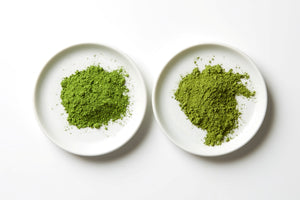
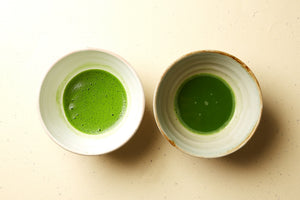
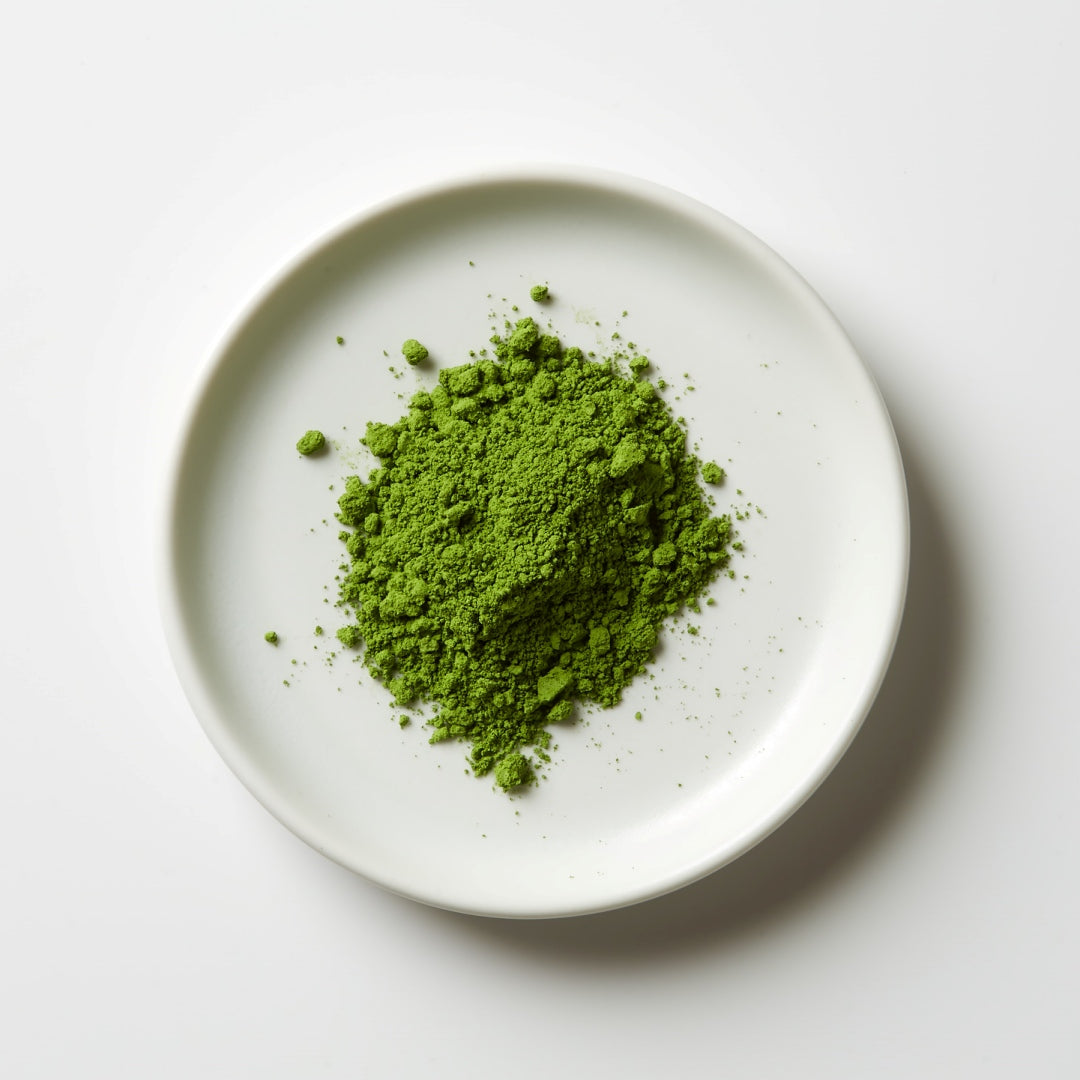
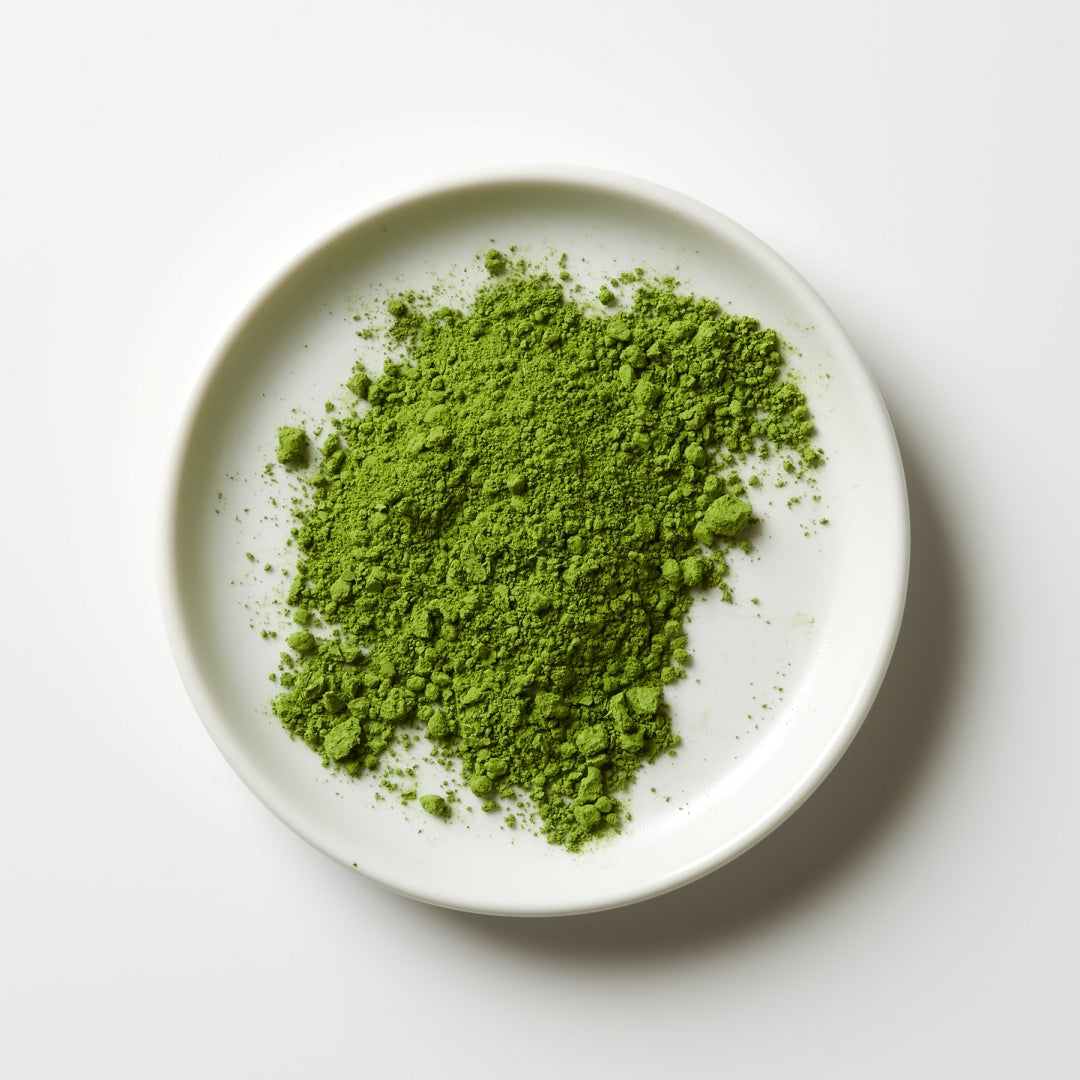
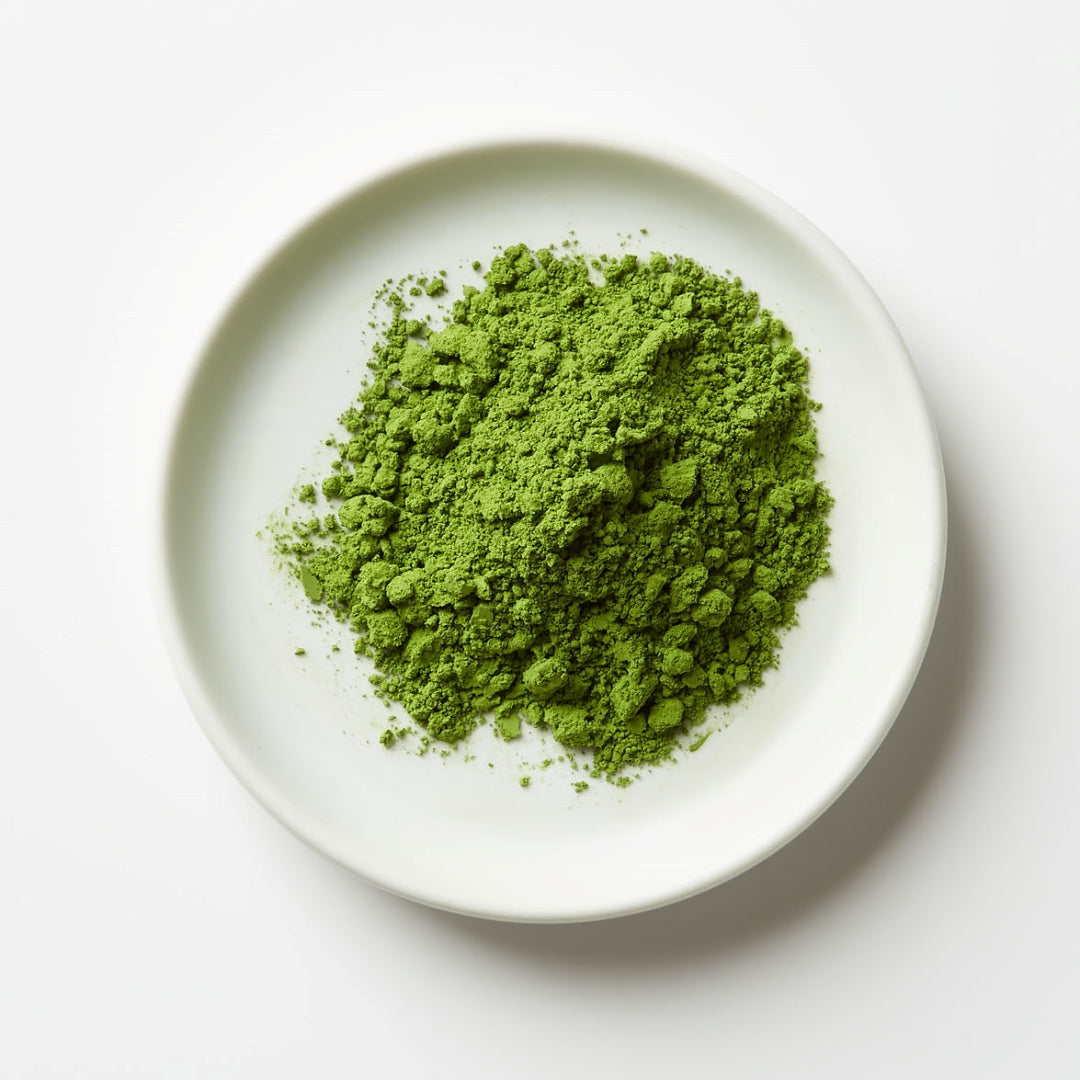
The quality of matcha greatly influences its flavor. High-quality matcha has a bright green color and fine powder texture. It also has a rich aroma and a well-balanced combination of umami, sweetness, and bitterness.
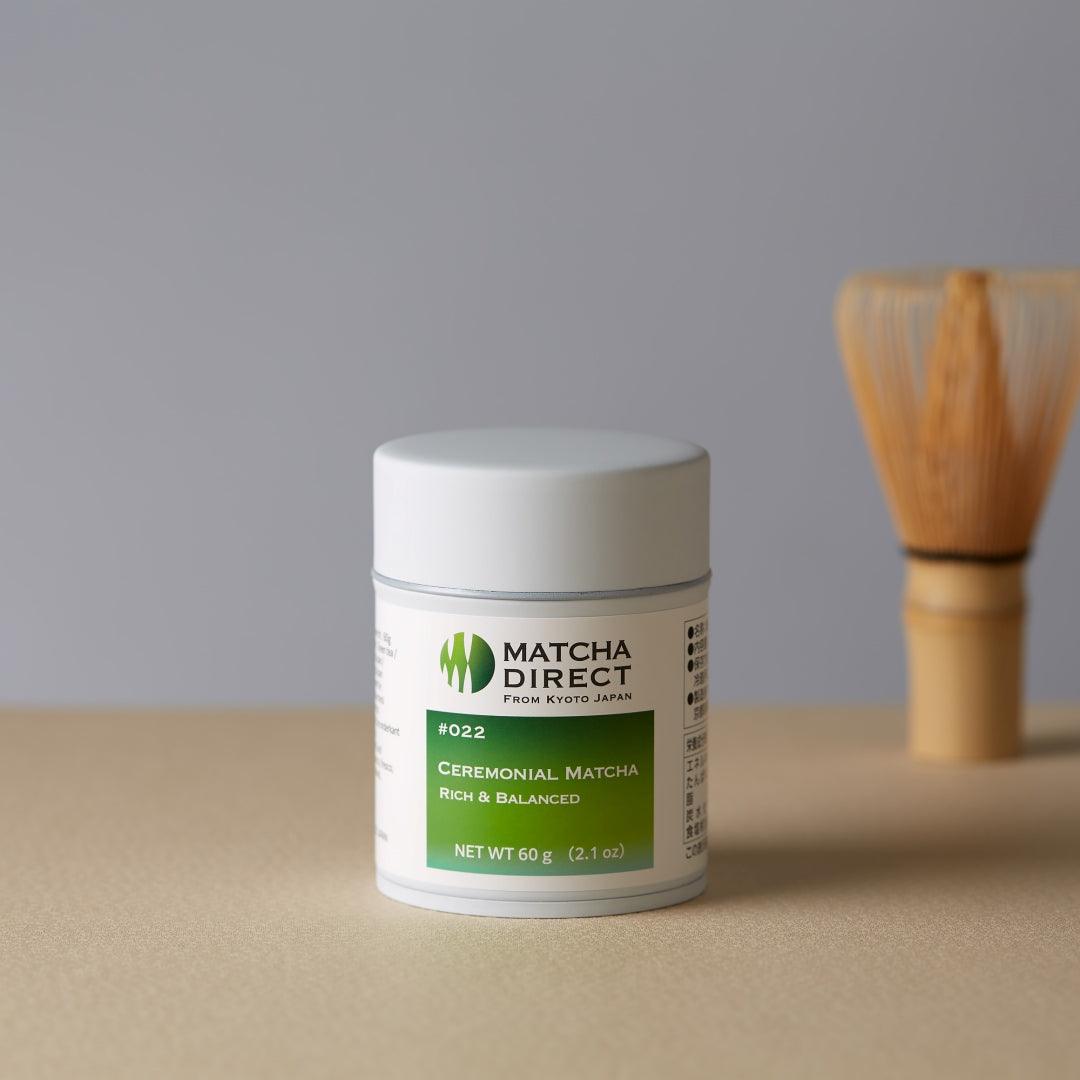
Ceremonial Grade Matcha, made from the first tea harvest, is particularly known for its mild bitterness and strong natural sweetness and umami characteristic of authentic matcha.
https://matchadirect.kyoto/blogs/matcha-101/what-is-ceremonial-matcha
Use Water at the Proper Temperature
The ideal water temperature for whisking matcha is around 70–80°C. If boiling water is used, components such as caffeine and catechins are more easily extracted, causing increased bitterness. It is best to use cooled water that has been allowed to stand after boiling.
Whisk Well with a Bamboo Whisk
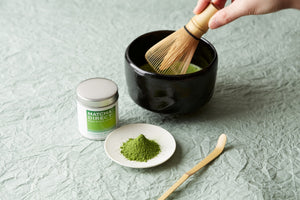
By whisking matcha thoroughly with a bamboo whisk (chasen), the bitterness becomes more evenly distributed, enhancing the flavor and giving it a smoother texture. Whisking also incorporates air into the matcha, which helps to reduce the perception of bitterness.
How to Soften the Bitterness of matcha
A subtle bitterness is a part of what defines matcha, so even when high-quality matcha is whisked properly, it cannot be completely removed. However, if you find the bitterness too strong, try the following methods.
Adjust the Amount of matcha or Water Temperature
Using too much matcha can make the bitterness stronger. Reducing the amount slightly can help to mellow the taste.
As mentioned above, high water temperatures also emphasize bitterness. Try whisking with slightly cooler water. You can also enjoy a chilled version—cold matcha—which further reduces bitterness.
Enjoy matcha as a Matcha Latte
For those who find matcha too bitter, we recommend adding milk to make a matcha latte.
By making a matcha latte, you can reduce the bitterness while still enjoying the original aroma and flavor of matcha. If you are concerned about calories, you can use low-fat milk or replace sugar with honey or maple syrup for a healthier option.
https://matchadirect.kyoto/blogs/matcha-101/matcha-latte-calories-with-tips-for-a-healthier-version
Direct from Kyoto’s Long-Established Tea Producers: Experience the Highest Quality matcha
So far, we have introduced key points to reduce the bitterness of matcha—proper whisking and choosing high-quality matcha.
Ceremonial Grade Matcha, made from the first tea harvest, is particularly mild in bitterness and offers a well-balanced harmony of natural sweetness and umami.
At MATCHA DIRECT, we deliver carefully selected Ceremonial Grade Matcha directly from Kyoto—the home of authentic matcha. Each order is freshly ground to ensure a pure flavor with minimal off-notes, allowing you to fully enjoy the true taste of matcha.
Please experience authentic matcha created through over 160 years of craftsmanship and tradition from our long-established Kyoto tea manufacturer.