Matcha vs. Black Tea: Caffeine Comparison

“Which has more caffeine, matcha or black tea?” is a question that tea lovers may have asked at least once.
Caffeine is a familiar component in our daily lives; while it is expected to enhance concentration and energy, excessive intake requires caution.
Both matcha and black tea contain caffeine, but are there differences in the amount and effects?
This article provides a detailed explanation of the differences in caffeine content between matcha and black tea.
Which Has More Caffeine: Matcha or Black Tea?
The tea leaves used in both matcha and black tea come from the same plant species, Camellia sinensis, which contains caffeine.
Because of this, both contain caffeine; however, when comparing the amount of caffeine, it is considered that the content in the tea leaves themselves is almost the same.
According to the “Standard Tables of Food Composition in Japan” published by the Ministry of Education, Culture, Sports, Science and Technology (MEXT), matcha contains 32mg of caffeine per 1g, and black tea contains 29mg, — showing that their caffeine levels are nerly the same.
Generally, about 2g of tea leaves are used to prepare both matcha and black tea. Based on this, a single serving contains about 64mg of caffeine in matcha and 58mg in black tea.
This caffeine amount is roughly equivalent to that of a cup of coffee (about 60mg). In particular, matcha is considered to contain more caffeine than other green teas such as sencha.
Next, let’s look in more detail at the characteristics of matcha and black tea, including the caffeine they contain.
What Is Matcha?
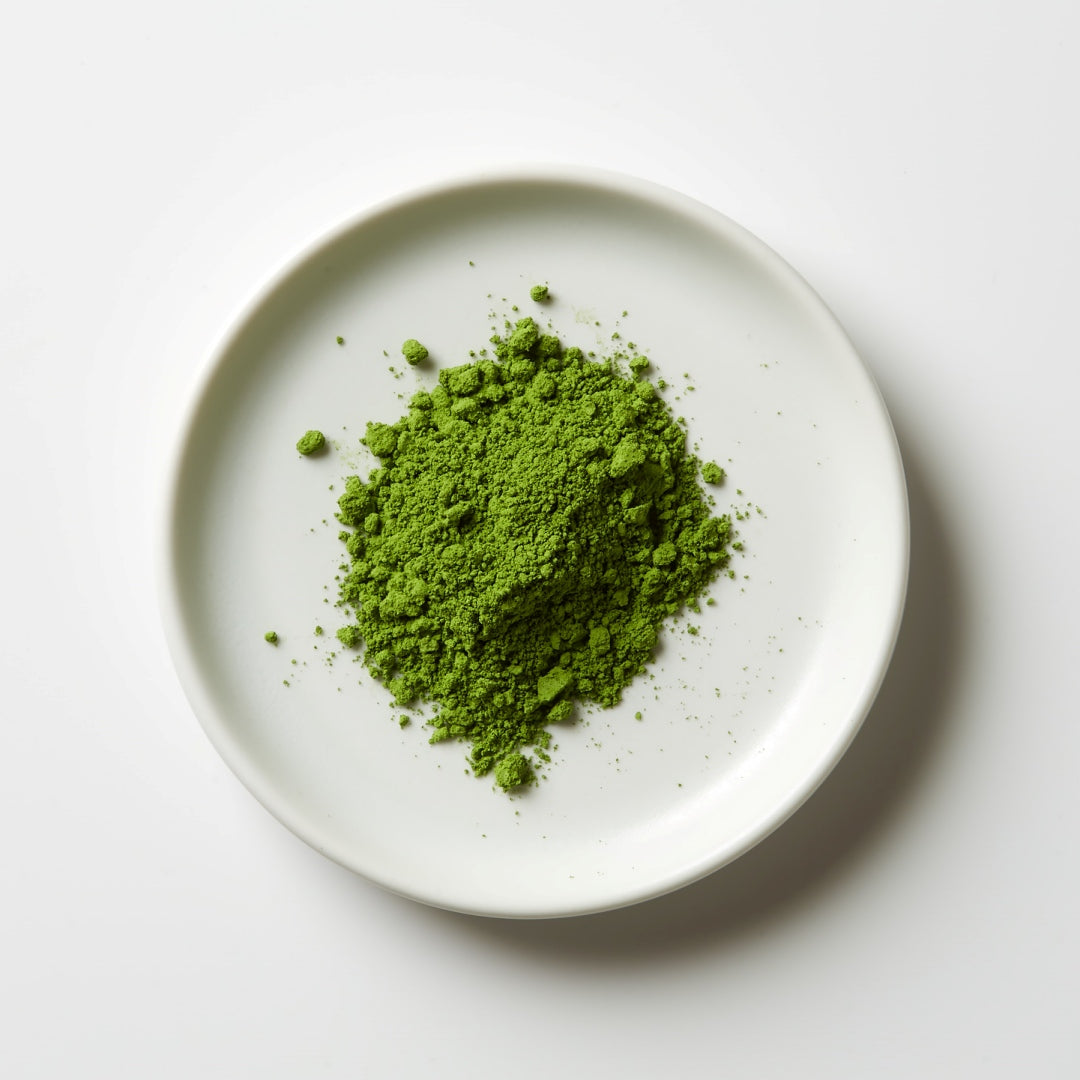
Matcha is a traditional type of Japanese green tea, made by finely grinding tea leaves with a stone mill into a powder and consuming the powder as is. It is used in tea ceremonies and, in recent years, has become popular in various forms such as lattes and sweets.
The tea leaves used to make matcha are called tencha, and they are grown under shaded conditions, which allows them to increase large amounts of an amino acid called theanine that contributes to umami flavor. The deep umami of matcha is largely due to the effect of this theanine.
Because matcha is made by grinding tencha into a fine powder, it allows you to consume the entire nutrients in the tea leaves. As a result, it contains more nutrients compared to other green teas, including not only theanine but also vitamins, minerals, catechins, and a significant amount of caffeine.
On the other hand, sencha is brewed by steeping the tea leaves in hot water, so some caffeine remains in the used leaves and and only part of the original caffeine content is consumed. Therefore, when using the same amount of tea leaves, matcha results in a higher caffeine intake.
What Is Black Tea?
Black tea is made from the same tea leaves as matcha but differs in that most varieties are cultivated under full sunlight.
In terms of processing, matcha ****tea leaves are steamed immediately after being picked to stop fermentation. In contrast, black tea leaves undergo a process called withering, where moisture is removed to make the leaves supple, followed by fermentation. During fermentation, the leaves oxidize, turning reddish-brown and developing a unique flavor and richness.
Black tea comes in many varieties from around the world, with flavors that vary greatly depending on origin, cultivar, cultivation method, and degree of fermentation. Popular examples include Assam tea from the Assam region of India, known for its rich flavor and often used in chai; Darjeeling tea from India’s Darjeeling region, known for its fruity aroma; and Earl Grey, a flavored tea with the scent of bergamot.
Like matcha, black tea contains many nutrients, especially polyphenols, which are believed to have antioxidant properties beneficial for health. It also contains a relatively high amount of caffeine.
However, like sencha, black tea is consumed by brewing the leaves, so some caffeine remains in the leaves, and the actual caffeine consumed is slightly less than what is in the leaves themselves.
Taking this into account, the next section will take a closer look at the caffeine content of matcha and black tea.
Caffeine Content Comparison Between Matcha and Black Tea
Caffeine Content in Matcha
As introduced earlier, matcha contains approximately 64mg of caffeine per cup.
In addition to the powdered consumption method explained earlier, another reason matcha contains more caffeine lies in its unique cultivation method.
Tea leaves for matcha are grown under shade, which allows them to accumulate umami-rich theanine. At the same time, this environment slows the growth of the leaves and promotes caffeine production. As a result, matcha tends to contain high amounts of both theanine and caffeine.
Caffeine Content in Black Tea
Black tea contains almost the same amount of caffeine as matcha at the dry leaf stage. However, it’s important to know that the caffeine content in black tea can vary greatly depending on the type and brewing method.
Varieties such as Assam and Ceylon tend to have relatively high caffeine content, while flavored teas like Earl Grey tend to contain less.
Caffeine content in black tea can also change depending on how it is brewed. The following methods are likely to result in higher caffeine extraction:
- Longer brewing time
- Higher water temperature
- Using more tea leaves
Thus, the brewing does not always reduce the caffeine content content of black tea, and under certain condition, it can contain caffeine levels comparable to matcha.
Effects of Caffeine in Matcha and Black Tea
Although matcha contains caffeine amounts similar to coffee, its effects differ greatly.
The caffeine in matcha, combined with the abundant theanine, provides a mild and sustained effect.
In coffee, which lacks theanine, caffeine is rapidly absorbed in the body, offering quick stimulation but also risking a sudden drop in energy known as a “caffeine crash.” In contrast, theanine in matcha moderates the absorption of caffeine, suppressing caffeine crashes and offering a longer-lasting effect.
Source: Matcha Direct – Matcha for Energy: Sustained Energy and Boost
Additionally, theanine in matcha not only regulates caffeine absorption but also has a relaxing effect that helps calm the mind.
Since black tea also contains theanine, similar effects can be expected. However, these effects may be more pronounced in matcha because the theanine content in black tea is lower than in matcha.
Points to Note About Caffeine Intake from Matcha and Black Tea
Caffeine offers benefits such as improving concentration and providing a refreshing effect; however excessive intake may have adverse health effects and requires caution.
Tolerance to caffeine varies greatly among individuals, and the same amount can affect people differently. Those sensitive to caffeine may experience palpitations or insomnia even with small amounts, while those less sensitive may feel little effect even at higher intake level. Appropriate intake also depends on age, weight, body constitution, and lifestyle.
As a guideline for caffeine intake, the U.S. Food and Drug Administration (FDA) advises healthy adults to limit daily caffeine intake to no more than 400mg. For pregnant individuals, the American College of Obstetricians and Gynecologists (ACOG) recommends a limit of 200mg per day.
Although the caffeine content in matcha and black tea is well below these limits, caffeine is also found in energy drinks, chocolate, and various other foods and beverages. Therefore, it is important to consider these sources and manage the total daily caffeine intake from matcha and black tea accordingly.
“Decaf Matcha” as an Option for Those Looking to Reduce Caffeine
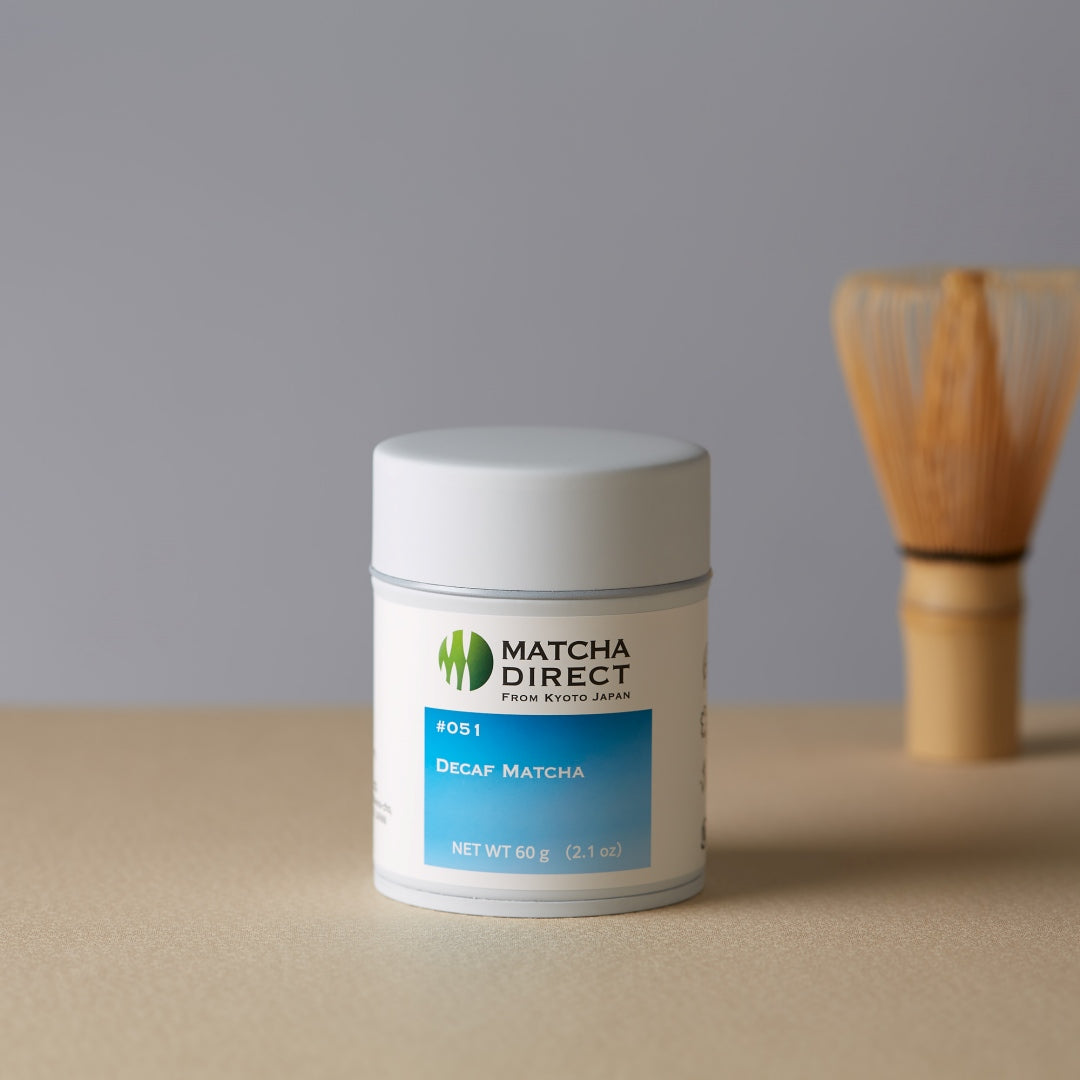
Even if you’re attracted to the rich umami and abundant nutrients of matcha, caffeine intake might be a concern. For such individuals, “Decaf Matcha” is a recommended option.
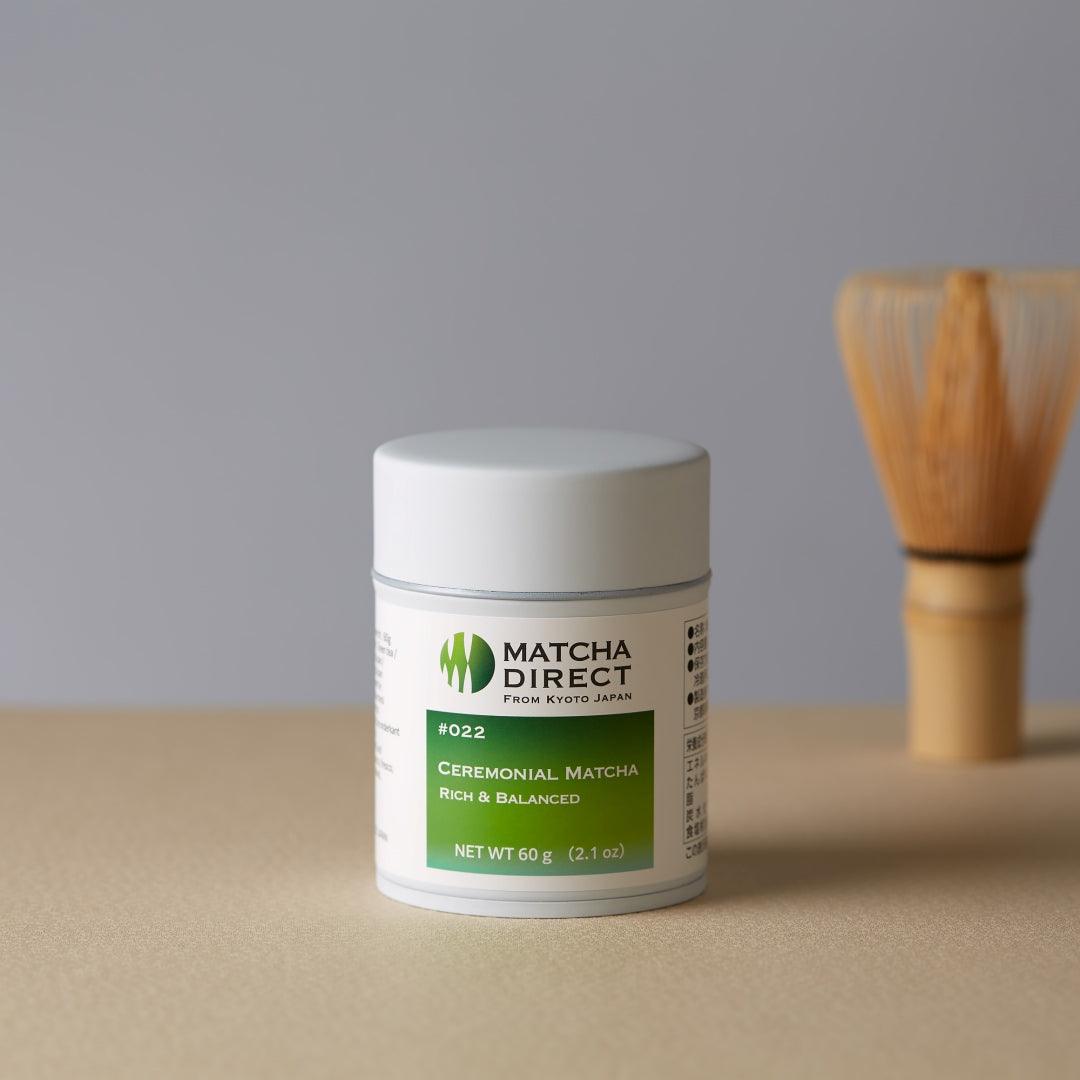
At MATCHA DIRECT, we offer decaffeinated matcha with significantly reduced caffeine using a special processing method. This allows you to enjoy the authentic flavor and nutritional benefits of matcha without worrying about the effects of caffeine—perfect for relaxing at night or for those who are pregnant or nursing.