Matcha vs. Maca: What Is Better?

In recent years, with the growing interest in health, “matcha” and “maca” have gained attention as superfoods.
Both are highly regarded by health enthusiasts for their rich nutritional value and are often mentioned in the same context. However, they actually possess completely different characteristics.
Matcha and maca originate from different plants and have unique properties. This article will explain in detail the characteristics and differences of the two, while also exploring the question many people have: “Which one should I choose?”
What Is Matcha?
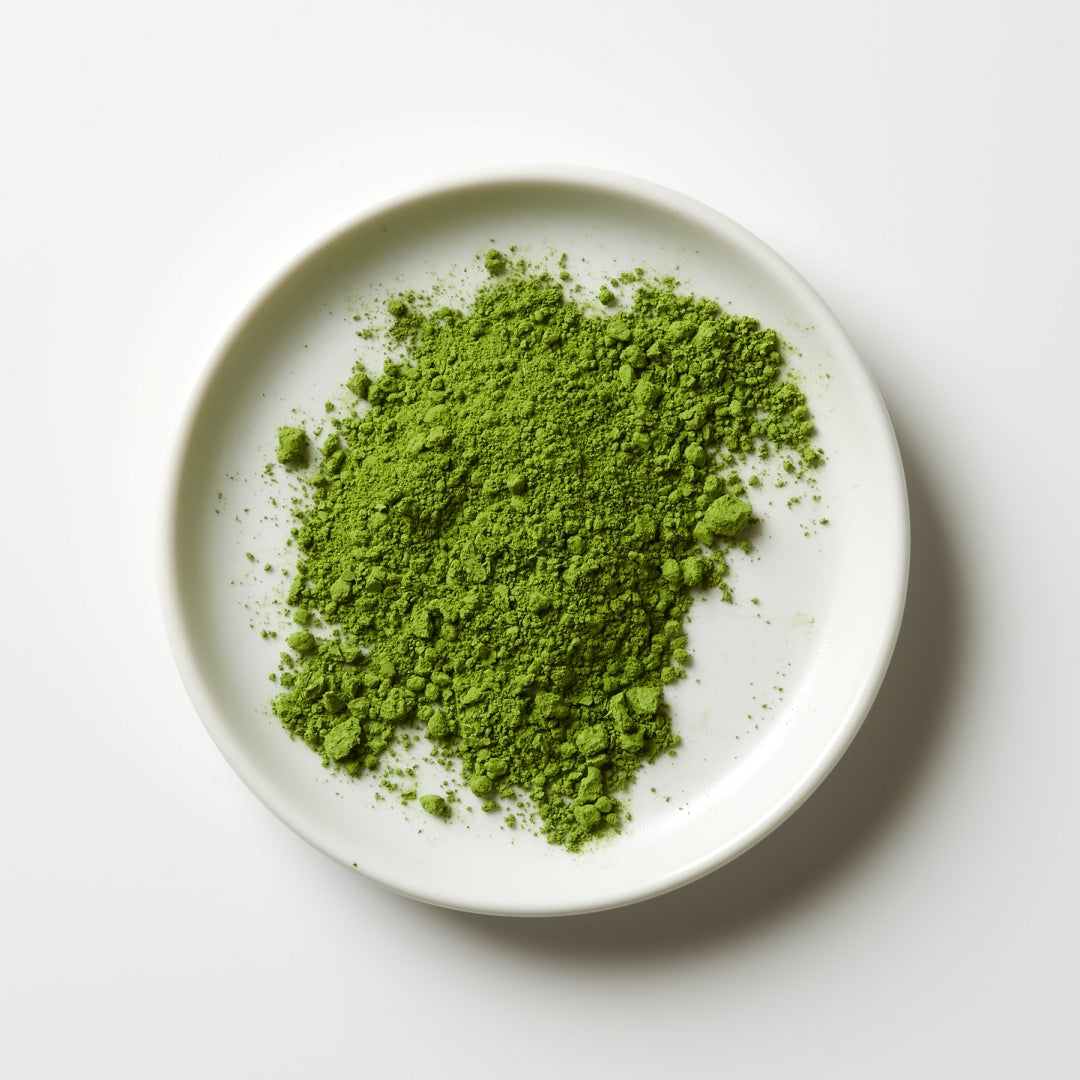
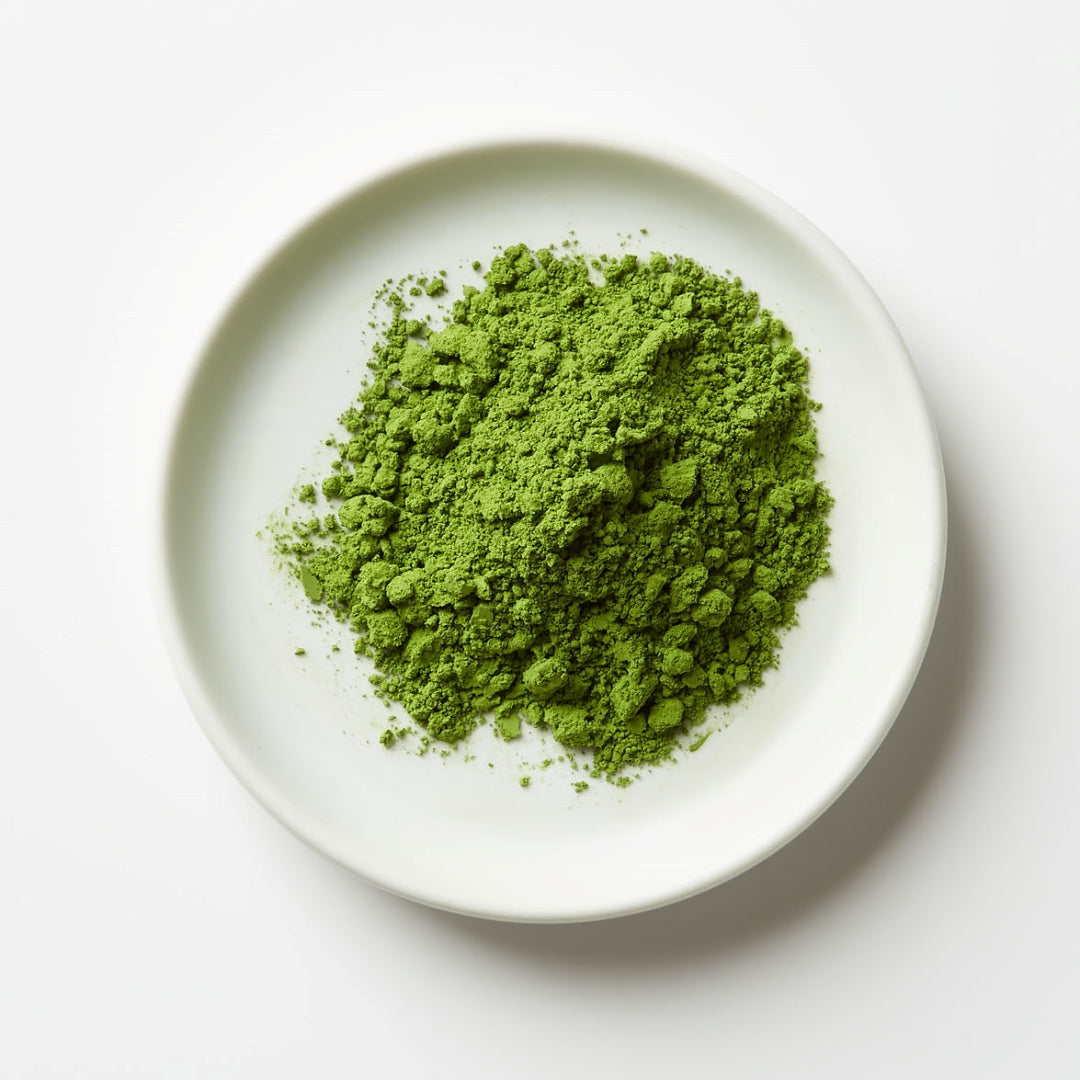
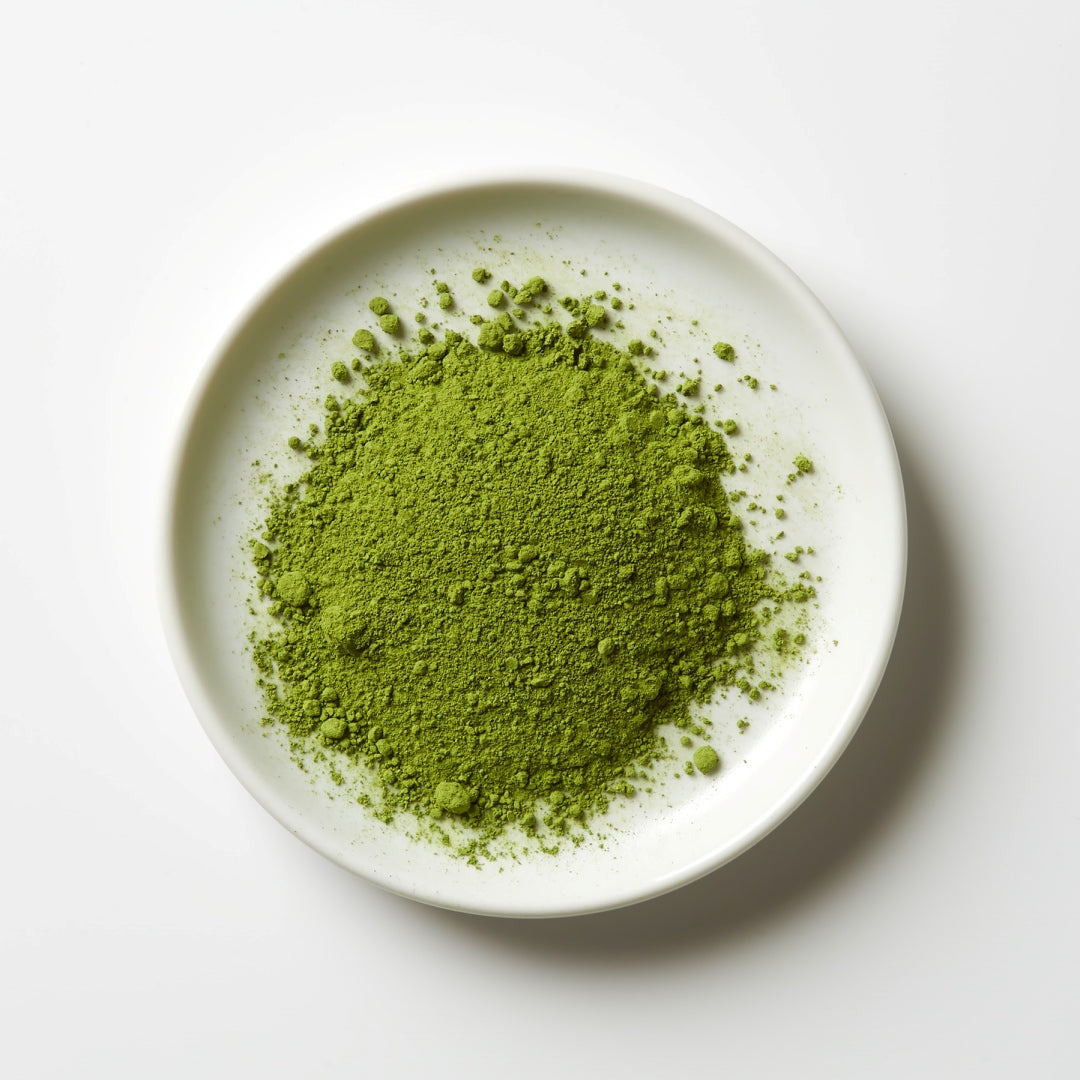
Matcha is a type of green tea that has long been loved in Japan.
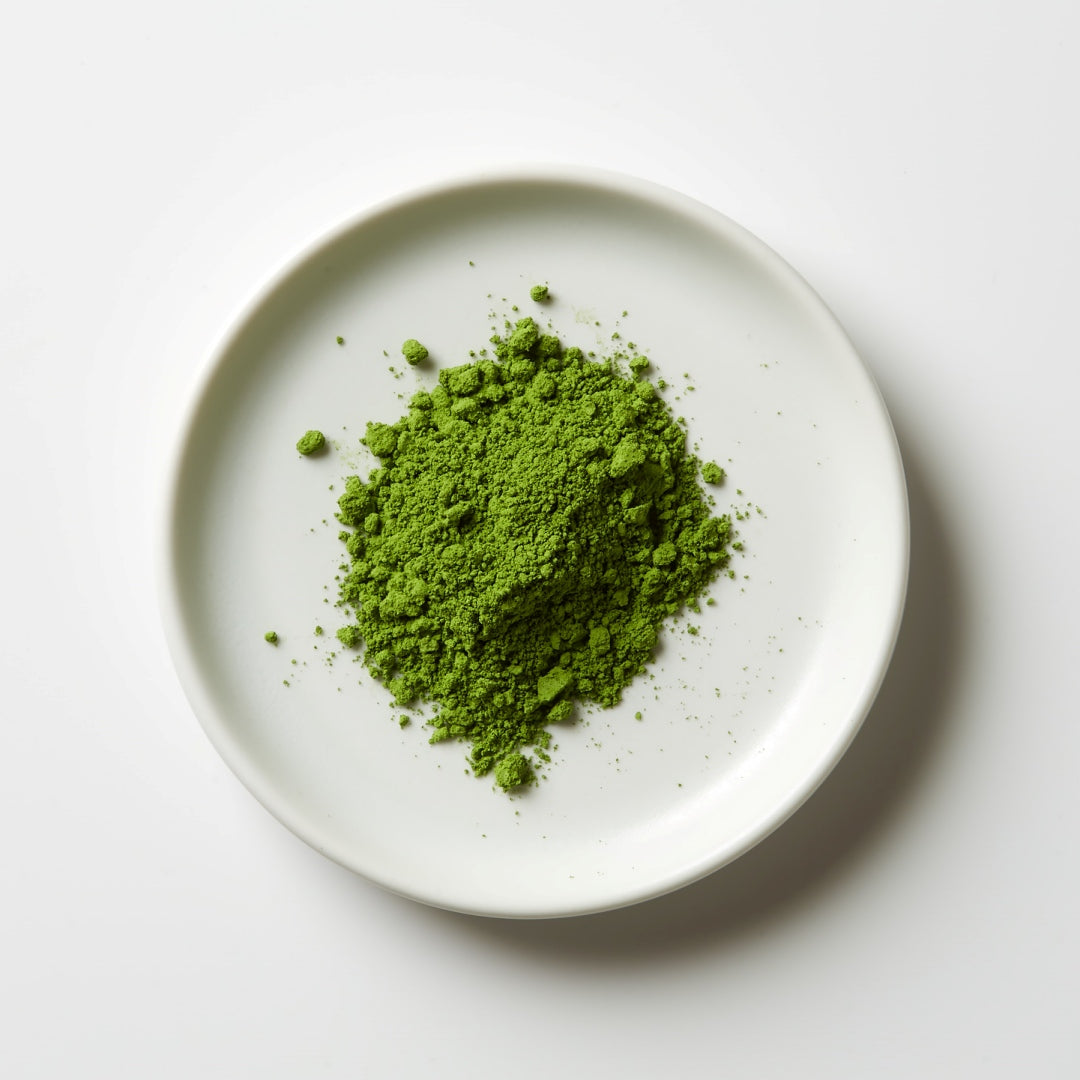
Its production method is quite distinctive: the tea plants are covered for a certain period before harvesting to develop rich umami, and then the leaves are steamed, dried, and carefully ground into a fine powder using a stone mill.
Traditionally, the powder is whisked with hot water and drunk. However, in recent years, matcha has been enjoyed in a variety of forms, such as in lattes or smoothies.
The history of matcha is said to have begun when tea was brought from China and developed uniquely within Japan’s climate and culture, eventually becoming what we now recognize as matcha. It later became one of Japan’s representative traditional cultural elements through the development of the tea ceremony.
The vibrant green color, the deep umami, and the subtle bitterness are hallmark traits of matcha. The component primarily responsible for this umami is “theanine,” which is also known to have relaxing effects. The caffeine contained in matcha is absorbed gradually thanks to the effects of theanine, resulting in sustained action.
Matcha contains not only theanine, but also abundant nutrients such as vitamins, minerals, and dietary fiber. Among these, the high content of catechins, a type of polyphenol, is particularly noteworthy. Catechins are responsible for matcha’s characteristic bitterness and are known for their antioxidant properties that support overall health. In particular, Epigallocatechin gallate (EGCG), which is found in higher quantities in matcha than in other green teas like sencha, has been reported to demonstrate strong antioxidant effects.
https://matchadirect.kyoto/blogs/matcha-101/egcg-and-catechin-in-matcha
What Is Maca?
Maca is a highly nutritious root vegetable native to the highlands of the Andes Mountains in Peru. This crop grows under harsh high-altitude conditions and has been cultivated for thousands of years, treasured since ancient times as an important energy source.
This traditional crop comes in several varieties, including yellow, red, and black maca. Compared to the widely available yellow maca, black maca is rarer and is said to be richer in nutrients.
The general method of consuming maca is to dry the root and grind it into powder, which is then added to drinks, smoothies, baked goods, and other foods. While its flavor is mild, it has a distinctive nutty aroma that adds a rich taste to various foods and beverages.
The most notable characteristic of maca is its function as an “adaptogen,” which enhances the body’s ability to adapt to stress. In addition to carbohydrates as its main component, maca also contains amino acids, minerals, and vitamins—making it a nutritionally rich food on par with matcha.
Unlike matcha, maca does not contain caffeine, but its rich nutrients help promote metabolism and support efficient energy production, making it highly regarded as a natural energy source. However, some processed maca products or supplements may contain added caffeine, so those who are sensitive to caffeine should check the label carefully.
Today, due to its excellent nutritional profile, maca is cultivated in many parts of the world and is widely supported by athletes and health-conscious individuals alike.
Matcha vs. Maca: Differences in Components and Effects
Although both matcha and maca are recognized globally as superfoods, they have significant differences in their characteristics.
| Category | Matcha | Maca |
|---|---|---|
| Main Production Region | Japan | Peru |
| Plant Part Used | Leaves | Root |
| Flavor | Deep umami and subtle bitterness | Nutty and roasted aroma |
| Caffeine Content | High | None |
| Key Components | Catechins, theanine, caffeine, dietary fiber | Carbohydrates, amino acids, minerals, vitamins |
Matcha or Maca: Which Should You Choose?
Both matcha and maca are known as superfoods and, as we’ve seen, each has its own unique traits. Both are rich in nutrients and are expected to support a healthy lifestyle.
The question “Which one should I choose—matcha or maca?” is often asked, but the answer depends on your purpose, timing of consumption, and personal preference. You don’t necessarily have to choose only one.
For example, if you want to enhance concentration while staying relaxed, matcha is recommended; if you’re looking to recover from fatigue, maca may be the better choice. It is best to use them according to the situation.
It is also possible to consume matcha and maca together, but there are a few precautions. Excessive intake of either can be problematic: with matcha, overconsumption may lead to too much caffeine intake; with maca, it may cause digestive issues such as diarrhea. Therefore, it's important to consume appropriate amounts. Especially when taking them at the same time, it's advisable to start with small amounts and adjust gradually while observing your body's response.
Ultimately, the choice between matcha and maca should be based on your individual lifestyle and goals. When choosing matcha, it is ideal to select a high-quality product that allows you to fully enjoy its authentic flavor and aroma.
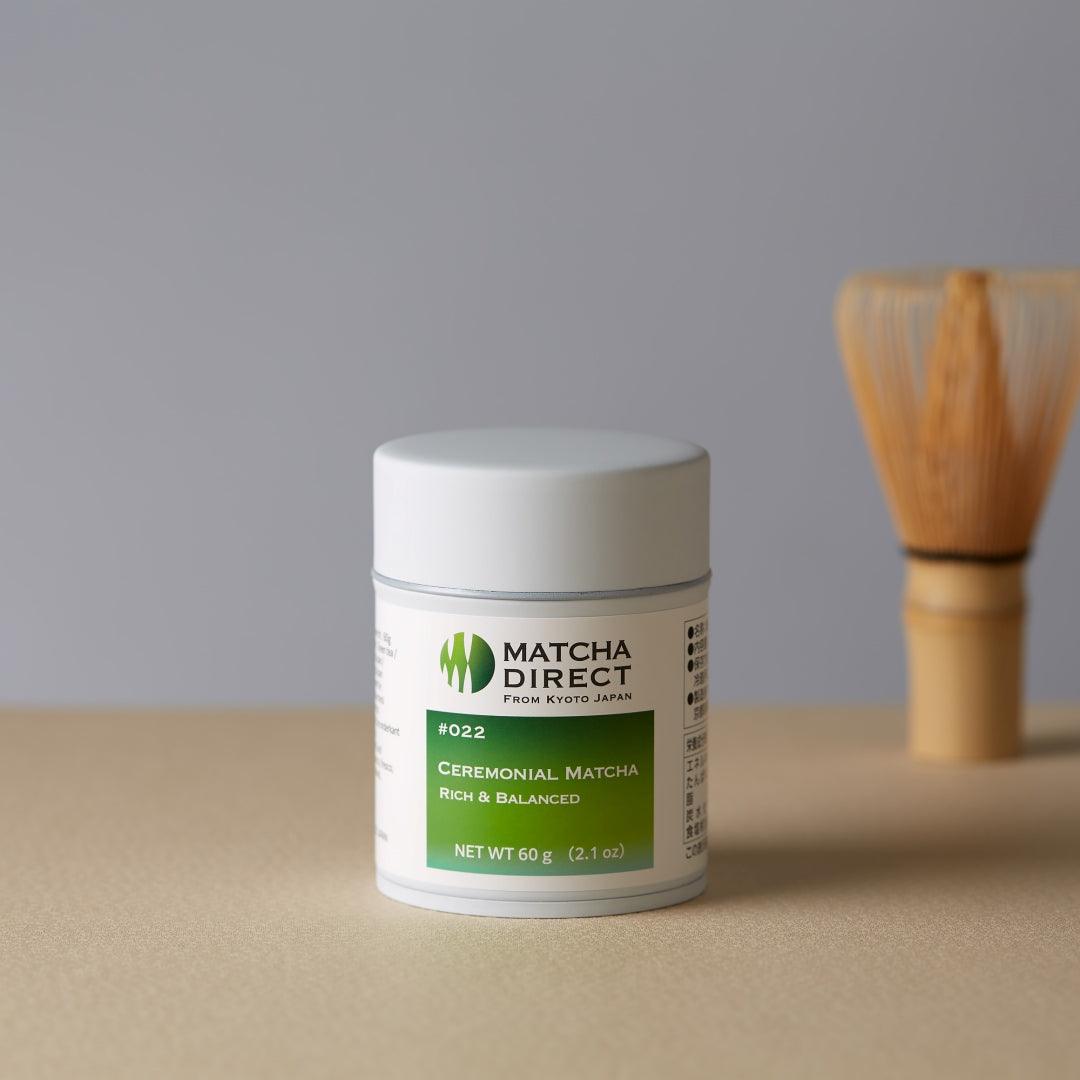
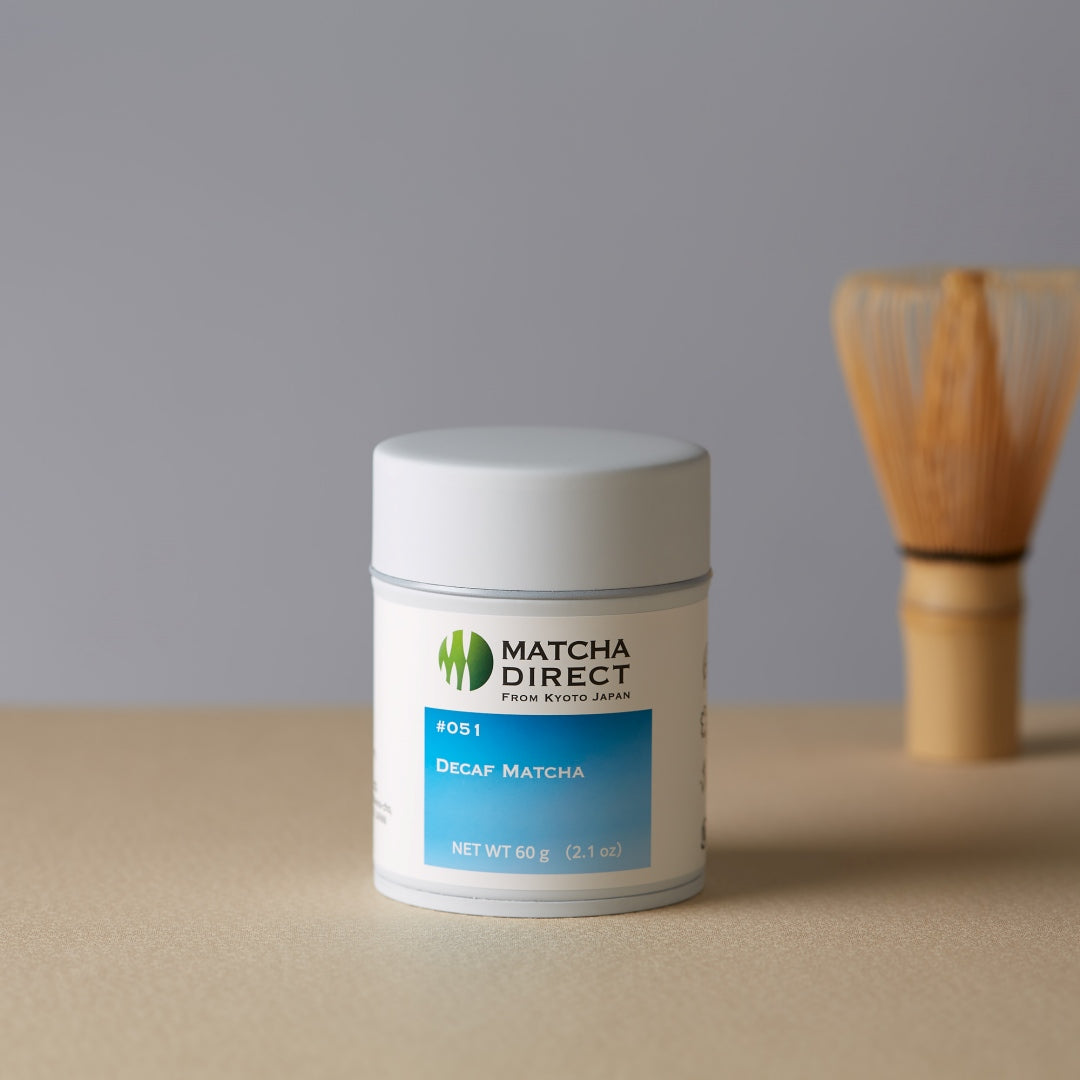
At MATCHA DIRECT, we offer carefully selected, high-quality matcha from Kyoto. Each order is stone-ground with care after it’s placed, ensuring the freshest matcha is delivered to you. We invite you to experience the true charm of genuine matcha.