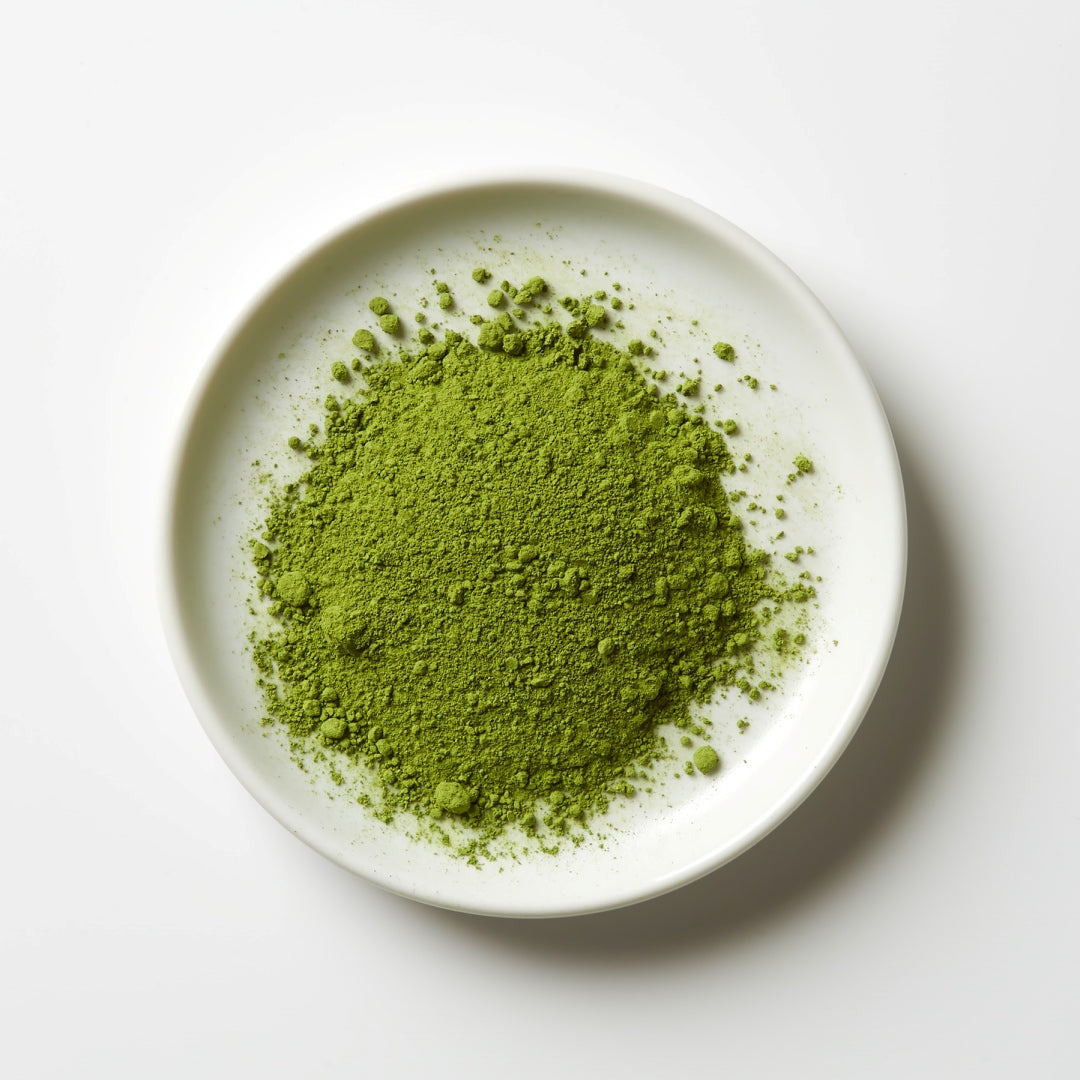
Almond Milk Matcha Latte

Almond Milk Matcha Latte
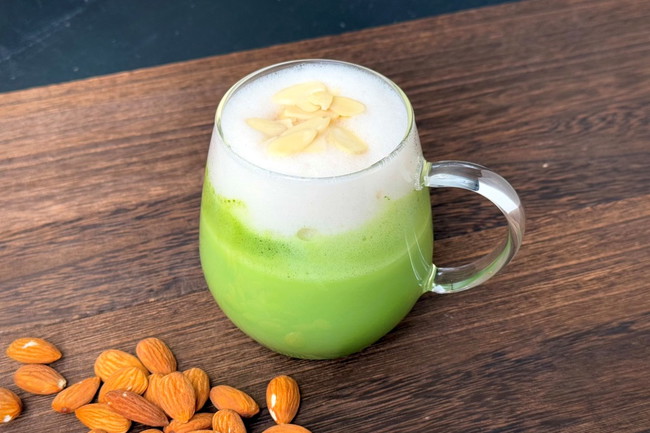
The rich flavor of matcha tea and the mellow mouthfeel of milk match exquisitely in a matcha latte. Its popularity has now spread throughout the world. Among the various recipe is created, a matcha latte made with almond milk has been attracting attention in recent years. Almond milk is healthy, has little distinctive taste, and is one of the milks that is perfect for bringing out the flavor of matcha.
This article introduces a delicious way to make a matcha latte using such almond milk.
The Compatibility of Almond Milk and Matcha Tea
Almond milk and matcha are a excellent paring.
The faint nutty sweetness of almond milk brings out the umami of matcha while also providing a refreshing drinking sensation.
Furthermore, by making it into a matcha latte, the creamy mouthfeel and the slight bitterness of matcha harmonize exquisitely, allowing you to enjoy a profound taste.
In addition, since almond milk is a plant-based milk, an almond milk matcha latte can be enjoyed safely by those who are vegan or lactose intolerant.
The Nutritional Components of an Almond Milk Matcha Latte
An almond milk matcha latte combines the nutritional benefits of both almond milk and matcha, offering not only great taste but also support for health and wellness. For that reason, it is widely appreciated, especially among those who are highly health-conscious.
The Nutritional Components of Almond Milk
Although the name contains the word “milk,” almond milk is a plant-based milk made from almonds and is completely different from ordinary cow’s milk.
Almond milk contains nutrients derived from its raw material, almonds.
For example, it contains vitamin E, which is known for its antioxidant properties, as well as oleic acid—an unsaturated fatty acid considered healthier than the saturated fatty acids found in animal milk—both of which support overall health.
In addition, since almond milk has lower calories and carbohydrates compared with cow’s milk, it is also popular as a healthy beverage.
The Nutritional Components of Matcha
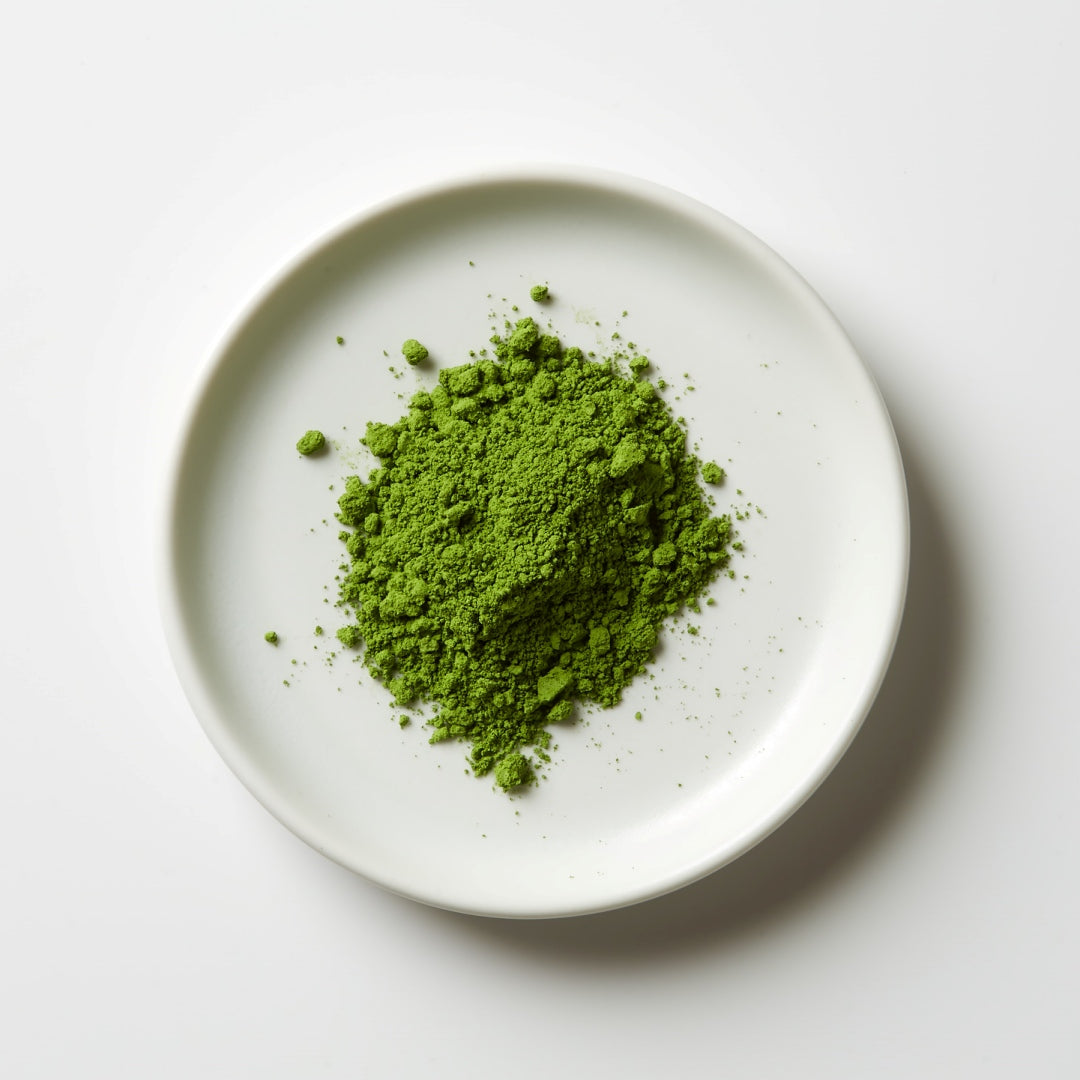
Matcha tea contains abundant nutrients such as catechins, which are believed to support overall health, as well as vitamins, minerals, and dietary fiber.
Furthermore, since matcha tea is consumed by drinking the powdered tea leaf itself, you can ingest those nutrients contained in the tea leaf as they are.
In addition, theanine, a nutrient component generated through the shading cultivation unique to matcha, is said to bring about relaxation effects. Matcha also contains caffeine, which increases concentration, but through its combination with theanine, its effect becomes milder, and matcha tea is also known as a beverage that supports sustained energy.
The Calories of an Almond Milk Matcha Latte
The almond milk used in an almond milk matcha latte has significantly lower calories than cow’s milk, and in the case of typical almond milk, the calories per 100 ml are about 15 kcal. Compared with the approximately 60 kcal per 100 ml of cow’s milk, this is roughly one-quarter of the calories.
On the other hand, the calories of matcha itself are also very low, at about 5 kcal per serving (2 g of matcha tea powder).
A standard matcha latte uses cow’s milk, so even if matcha tea itself is low in calories, the calories can become higher when made into a latte. In addition, it is common to add sugar or other sweeteners to a matcha latte, and the resulting increase in calories can also be a concern.
In that respect, almond milk is originally low in calories, and because it also has natural sweetness, you can fully enjoy the taste of a matcha latte even without adding sweeteners. (Some almond milk products have sweeteners added, so please pay attention when purchasing.)
For those who still find it not sweet enough, using a small amount of natural sweeteners such as honey allows you to maintain the low-calorie characteristics of an almond milk matcha latte.
Furthermore, the low carbohydrate content of almond milk is also a major characteristics. Compared not only with cow’s milk but also with other plant-based milks such as soy milk or oat milk, almond milk is the lowest-carbohydrate milk.
In this way, with an almond milk matcha latte, you can enjoy a low-calorie and healthy matcha latte.