Rose Matcha Latte

Japanese matcha is now gaining high popularity around the world. Along with this growing trend, new customizes and menu items using matcha are being created every day.
Among them, one that has recently drawn attention is the Rose Matcha Latte.
The delicate combination of the faintly sweet aroma of roses and the faint bitterness of matcha creates a refined flavor that can be enjoyed not only through taste but also through its fragrance and appearance—making it a luxurious cup in every sense.
In this article, we will introduce in detail the charm and flavor of the Rose Matcha Latte, the compatibility between matcha and rose, and finally, present a recipe you can easily make at home.
What Is a Rose Matcha Latte?
As many of you may already know, a Rose Matcha Latte is a latte-style drink that combines the flavors of matcha and rose.
It is basically made by adding rose water or dried rose petals to traditional Japanese matcha and blending it with warm milk. The natural aroma of rose gently wraps around the faint bitterness and umami of matcha, creating a distinctive flavor that sets it apart from ordinary matcha lattes.
Since matcha contains abundant nutrients and rose is believed to have a relaxing effect, this drink is attracting attention from people who value wellness and health.
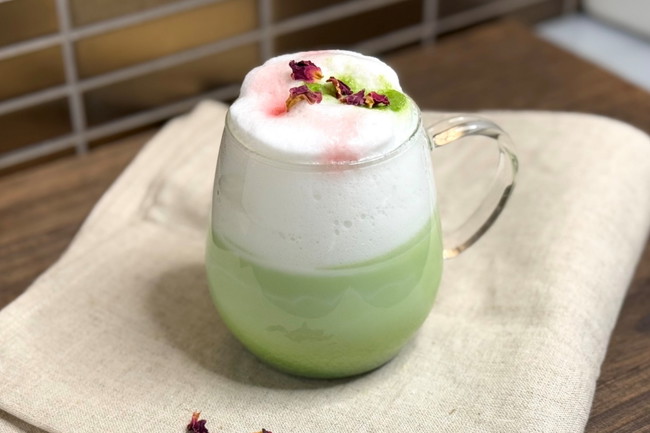
And above all, what cannot be overlooked is the beautiful contrast between green and pink. This visual charm is another major reason for its popularity, making it a beloved matcha latte among a wide range of people—especially younger generations—as a photogenic drink for social media.
History and Background of the Rose Matcha Latte
The idea of the matcha latte itself originated as a modern adaptation derived from Japan’s traditional tea ceremony culture. By combining matcha with milk, it developed into a café-style drink that spread not only throughout Japan but also to North America and Europe.
As the global matcha latte boom accelerated, various creative versions emerged—using not only dairy milk but also plant-based milk and different types of sweeteners. It was within this movement that floral-flavored variations began to appear.
Rose water and rose syrup have long been used as flavoring components for beverages and sweets in many countries. They have also been popular ingredients for flavoring teas, lemonades, and cocktails.
The elegant and delicate aroma of rose pairs exquisitely with the deep umami and faint bitterness of matcha. It was only in recent years that this combination began to appear on café menus as the Rose Matcha Latte, making it a comparatively new beverage.
The Rose Matcha Latte has become especially popular in Western café culture and is now being established both as a café staple and as a drink enjoyed at home. Meanwhile, in Japan—the birthplace of matcha—it is still not widely known, making it a creative variation that has evolved independently outside Japan.
Nutrients Contained in Matcha
The matcha used in Rose Matcha Lattes is appreciated not only for its rich flavor and vivid color but also for the variety of nutrients it contains.
Since matcha is made by grinding whole tea leaves into powder, it allows one to consume the full range of nutrients from the tea leaves—something that cannot be achieved with teas like sencha.
Among the many nutrients found in matcha, catechins are especially well known for their antioxidant properties. In particular, epigallocatechin gallate (EGCg), which has strong antioxidant activity, is one of the components found abundantly in matcha.
It is also rich in the amino acid theanine, which provides relaxing effects and plays an essential role in producing matcha’s umami taste. In addition, matcha contains vitamins, minerals, and dietary fiber, making it a beverage with a wide variety of nutrients.
On the other hand, the rose water and rose petals used in Rose Matcha Lattes are primarily ingredients added for their beautiful aroma and flavor. They do not contain the same rich nutritional components as matcha, and their nutritional value is considered minimal.
However, their rich fragrance and visual appeal contribute greatly to enhancing the overall charm of the Rose Matcha Latte.
Compatibility Between Rose and Matcha
At first glance, the combination of rose and matcha might seem unexpected, but it is actually known to be highly compatible and is praised in various contexts. While each has its own distinctive character, when combined, they create an exquisite balance that enhances the appeal of both.
Matcha is a traditional Japanese beverage known for its strong umami, faint bitterness, and mellow natural sweetness. Its rich, deep flavor is one of its greatest attractions.
Rose, on the other hand, has long been cherished as a fragrant flower with a refined and elegant aroma and soft sweetness. Its graceful fragrance has a calming effect and is popular as an accent in beverages and sweets.
When the two are combined, the deep flavor of matcha is gently enveloped by the rose’s aroma, harmonizing their unique qualities. The combination of faint bitterness and floral elegance creates a beautiful harmony of aroma and taste that expands in the mouth from the very first sip.
The Flavor of Rose Matcha Latte
So, what does a Rose Matcha Latte actually taste like?
In short, it offers a rich yet elegant flavor that combines floral fragrance with depth and smoothness. This unique balance of aromas and tastes captivates many people.
The first thing you experience when taking a sip is the soft, gentle aroma of rose. The refined fragrance that lingers through the nose is pleasant, and enjoying the aroma even before the first sip is one of the unique charms of this beverage.
Next comes the characteristic faint bitterness and deep umami of matcha. The creaminess of the milk softly envelops everything, blending beautifully with the rose’s sweet and gentle fragrance. The harmony of flavor and aroma that fills the mouth is exquisite, offering a sense of calm happiness with every sip.
By keeping the sweetness subtle, you can fully savor the natural flavors of both matcha and rose. Finally, topping it with dried rose petals adds visual elegance, creating a stylish, photogenic drink that delights both the palate and the eyes. Enjoying both the flavor and the vidual beauty is one of the greatest appeals of the Rose Matcha Latte.
Frequently Asked Questions About Rose Matcha Latte
Q. What kind of matcha should I choose to make a Rose Matcha Latte?
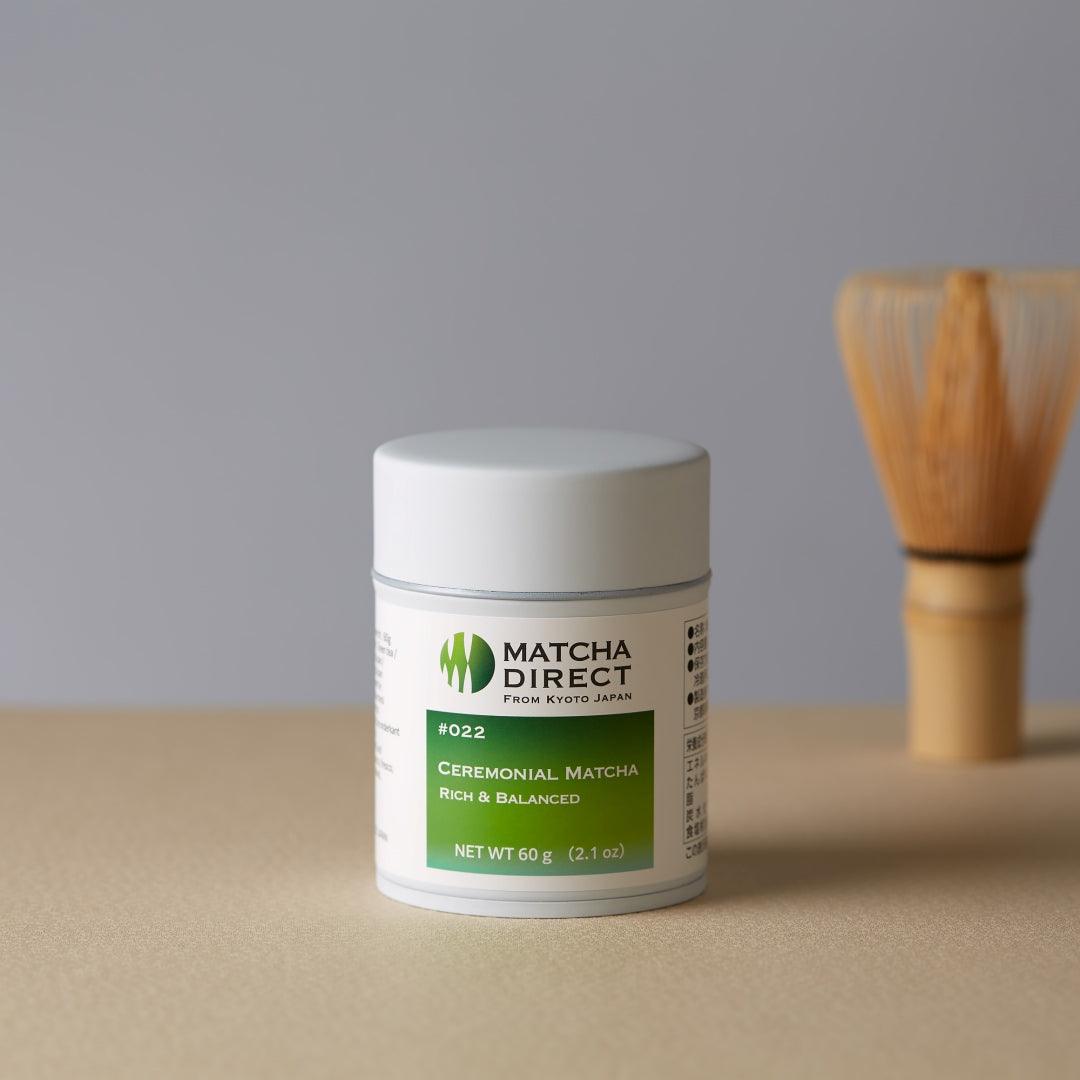
A. We recommend high-quality matcha such as Ceremonial Grade Matcha. High-quality matcha has less bitterness and a stronger umami flavor, allowing you to experience the authentic taste of matcha more directly.
Q. Is Rose Matcha Latte better hot or iced?
A. Both are excellent. When served hot, the aroma becomes more pronounced, allowing you to enjoy the full richness of the rose fragrance. When served iced, it offers a refreshing and cooling sensation. Depending on the season and your mood, you can enjoy the charm of Rose Matcha Latte all year round.
Q. Does Rose Matcha Latte contain caffeine?
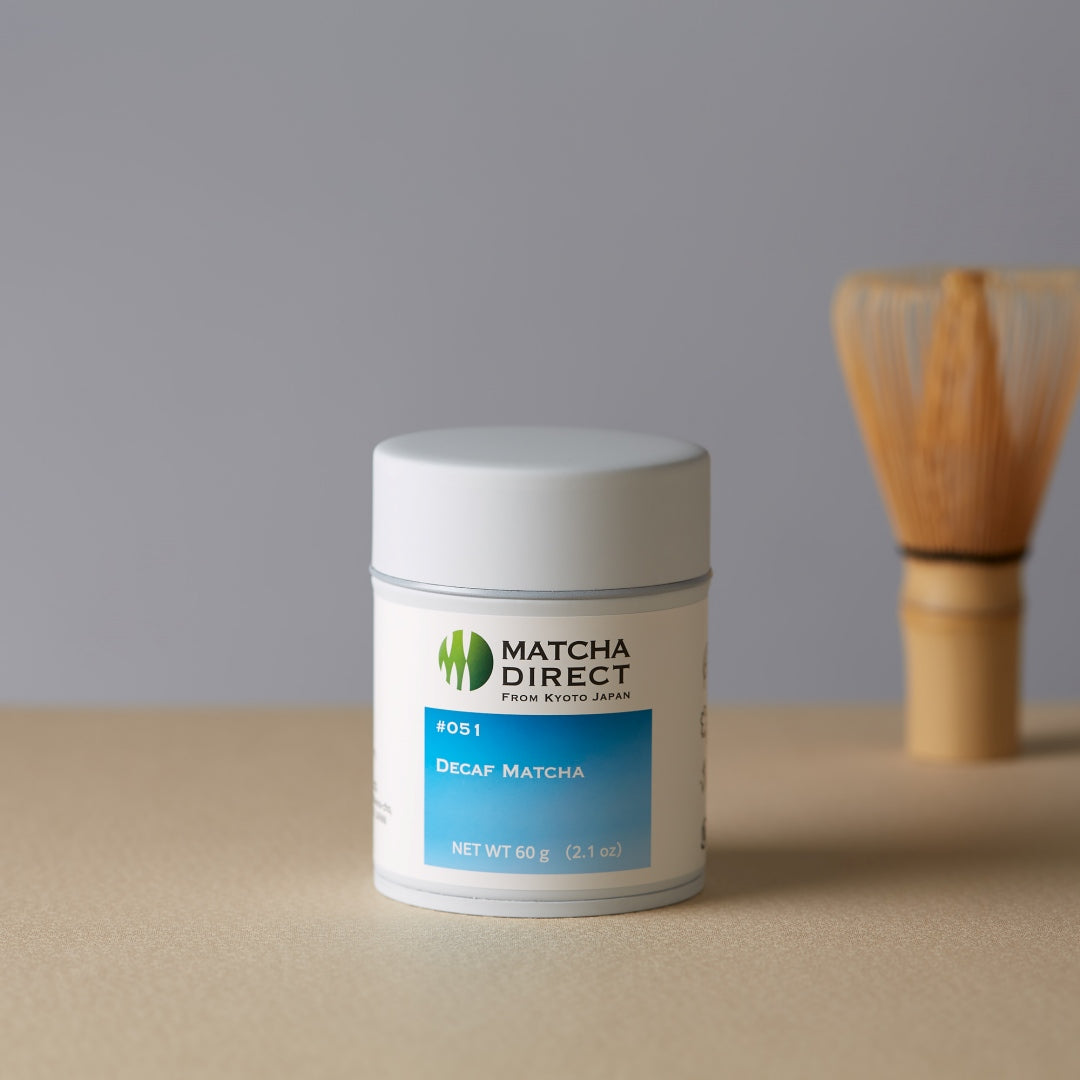
A. Yes, the matcha used in the Rose Matcha Latte contains caffeine. While the theanine in matcha moderates the absorption of caffeine, the amount itself does not change, so those sensitive to caffeine should take care with their intake.