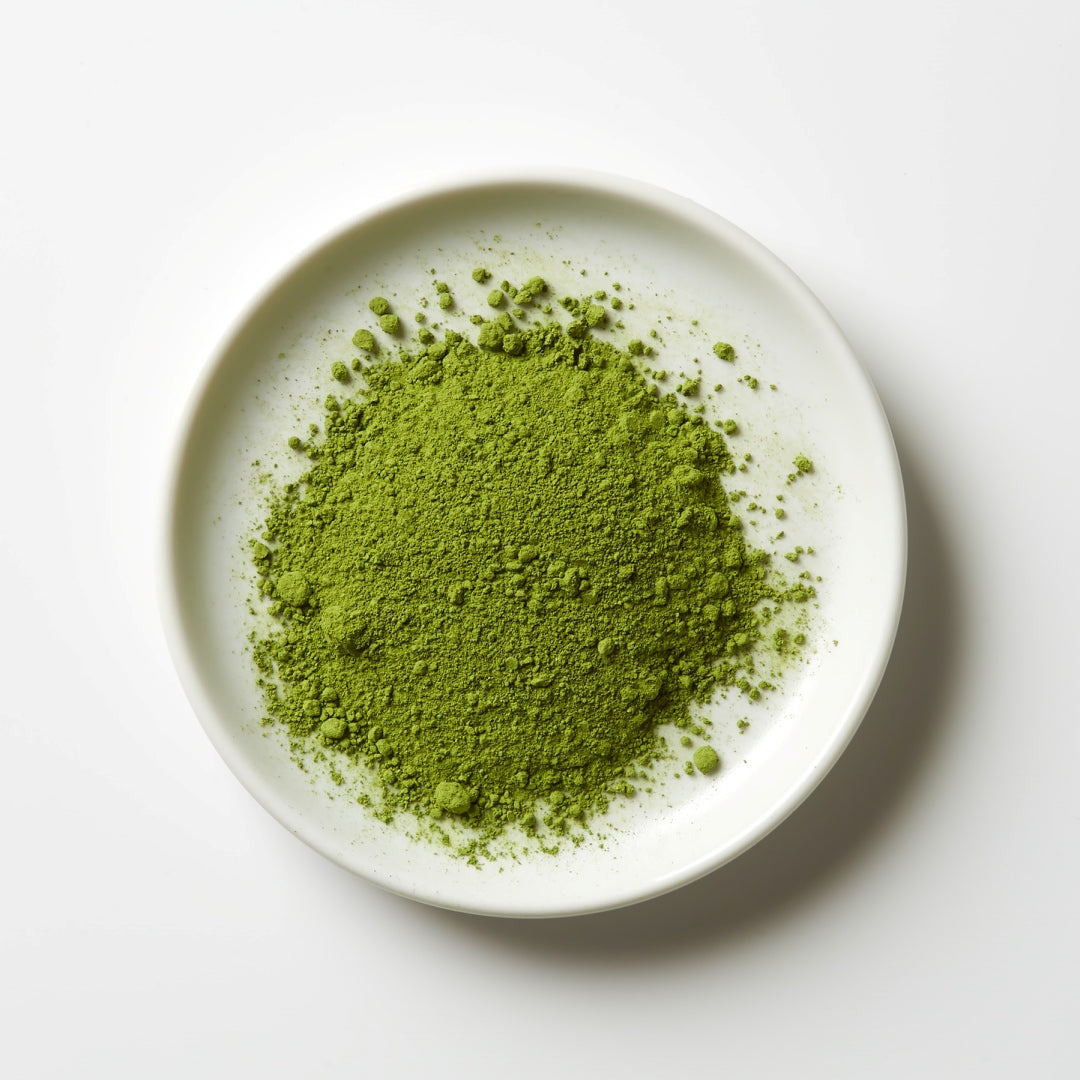
Coconut Matcha Latte - Coconut Milk and Matcha

Matcha has long been loved as a traditional Japanese tea with a distinctive flavor, but in recent years it is enjoyed in a variety of customization such as lattes, smoothies, and baked sweets.
Among these, the particularly popular menu is the matcha latte, as its mellow taste makes it easy to drink while still allowing the rich flavor of matcha to be fully appreciated.
Matcha lattes are generally made with cow’s milk, but recently the good compatibility between matcha and plant-based milks has also been attracting attention.
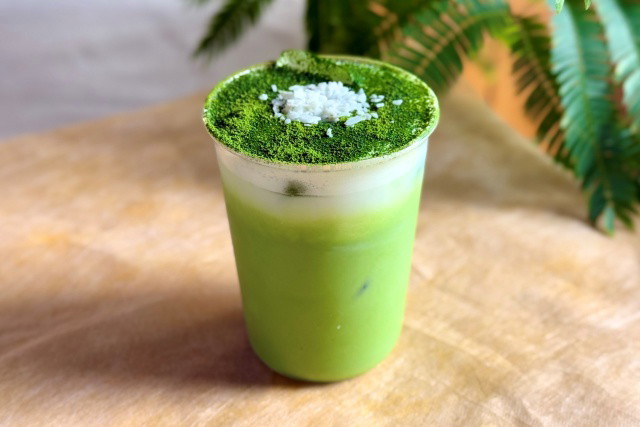
This time, among such plant-based milks, we will introduce the appeal and preparation method of a matcha latte made with coconut milk, which has natural sweetness derived from coconuts.
The Appeal of the Combination of Coconut Milk and Matcha
The sweet flavor and creamy mouthfeel of coconut milk offer a distinctive taste that clearly sets it apart not only from cow’s milk but also from other plant-based milks such as almond milk and oat milk.
By combining this coconut milk with matcha, the faint bitterness of matcha is moderately softened by the natural sweetness and mellowness of coconut milk, resulting in a deep, well-balanced flavor.
In addition, since coconut milk is dairy-free, it can be enjoyed with peace of mind by those who are lactose intolerant or vegan, which is another major appeal. Along with the growing interest in health-conscious lifestyles, coconut milk matcha lattes have become an ideal choice for those who want to incorporate plant-based ingredients into their diet.
The Nutritional Components of Coconut Milk and Matcha
Coconut milk and matcha each contain different nutrients.
For that reason, a coconut milk matcha latte is characterized not only by its rich flavor but also by the ability to take in the nutrients contained in both coconut milk and matcha at the same time.
The Nutritional Components of Coconut Milk
Coconut milk contains large amounts of minerals such as potassium and magnesium, which may contribute to maintaining good health.
In addition, coconut milk contains relatively high calories among plant-based milks, which is due to medium-chain fatty acids.
Medium-chain fatty acids are plant-derived components found in coconuts, the source of coconut milk. Although they contribute to relatively high calorie content, they are easily broken down in the body and readily converted into energy. For that reason, they are well suited for efficient energy replenishment.
The Nutritional Components of matcha
Matcha contains abundant nutrients such as catechins, which are belived to have antioxidant effects that protect the body from within, as well as vitamins, minerals, and dietary fiber.
Among these, a particularly unique nutrient is theanine. Theanine, which is generated through the shading cultivation method used for matcha, provides relaxation effects, and in combination with caffeine, it is belived to support calm and sustained concentration.
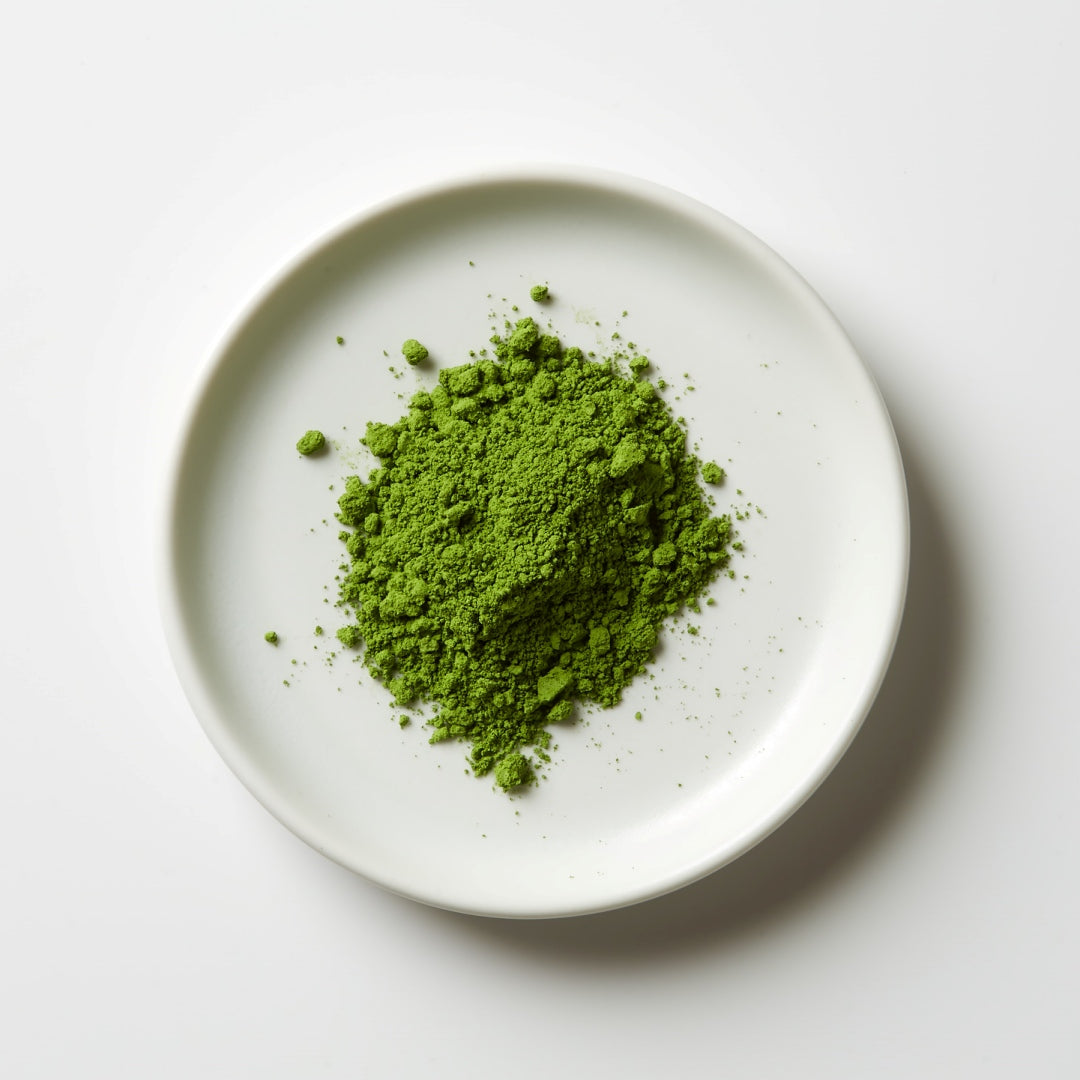
Furthermore, since matcha is consumed by ingesting the whole tea leaf in powdered form, it allows you to efficiently absorb the nutrients contained in the leaves.
In this way, matcha, which combines abundant nutrients and health benefits, is often noted as a superfood.
Coconut Milk or Oat Milk, Which Pairs Better with Matcha?
Matcha lattes made with plant-based milks pair well in flavor and can be enjoyed by vegans and those who are lactose intolerant. However, with the wide variety of plant-based milks available, and many people may be unsure which milk to choose.
Here, we introduce a comparison with coconut milk using oat milk, which is particularly popular among plant-based milks, as an example.
Coconut Milk
Coconut milk, which has a distinctive tropical flavor and the sweetness of coconuts, is recommended when you want to make a richer and more full-bodied matcha latte than one made with oat milk. It is suitable for those who want to enjoy a matcha latte with a strong, pronounced flavor.
Oat Milk
Oat milk has natural sweetness and creaminess derived from its raw material, oats, which harmonize beautifully with the faint bitterness of matcha. The result is a matcha latte that is rich in flavor yet light in mouthfeel and easy to drink. In addition, oat milk contains nutrients such as beta-glucan, unsaturated fatty acids, and plant-based protein, making it nutritionally comparable to coconut milk
In this way, both coconut milk and oat milk pair well with matcha. Each has its own distinct appeal, and both can be enjoyed deliciously as matcha lattes, so it is best to use them according to your mood or preference on a given day.