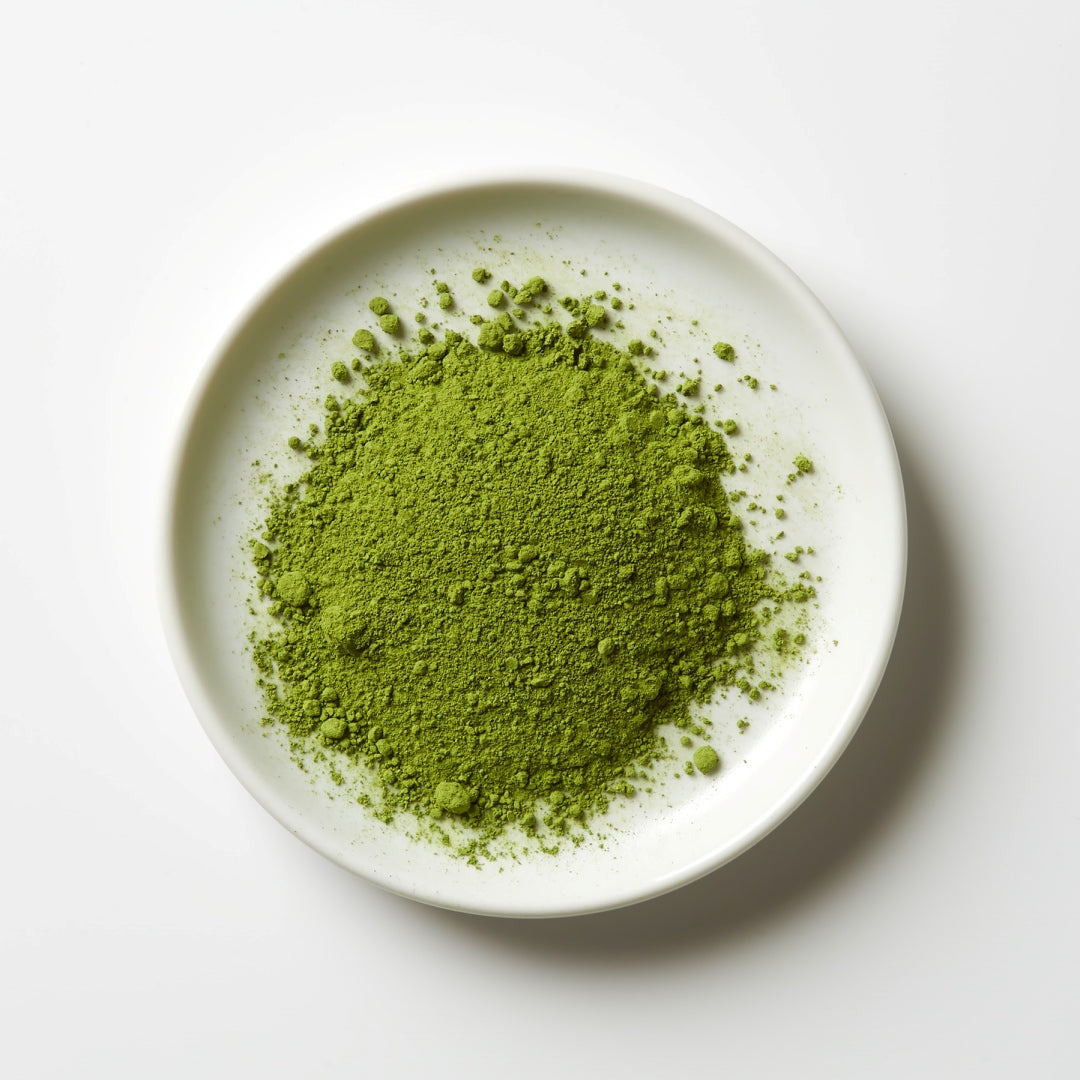
Blueberry Matcha Latte

Matcha is a traditional beverage that has long been enjoyed in Japan.
Today, it is also very popular outside Japan. Its deep umami, distinctive bitterness, and vivid green color have been incorporated into many café menus and sweets, and new customeized menu items are being created every day.
Among these, the “blueberry matcha latte,” which combines matcha with sweet-and-tart blueberries, has appeared and is attracting attention. The beautiful appearance created by the vivid green of matcha and the purple of blueberries, along with its fresh flavor, has made it a highly popular drink that captivates matcha fans around the world.
In this article, we will introduce the compatibility of blueberries and matcha and the reasons for its popularity and conclude by presenting a recipe that can be enjoyed at home.
Is blueberry good in matcha?
As its name suggests, a blueberry matcha latte is a latte drink that exquisitely blends the refined flavor of matcha with the sweet-and-tart taste of blueberries. Although it may seem like an unexpected combination, blueberries and matcha have surprisingly good compatibility.
matcha has deep umami and a gentle bitterness, and together with its fresh, grassy notes, it offers a uniquely layered flavor. Its mellow mouthfeel and deep aftertaste are also among the major attractions of matcha.
On the other hand, blueberries are sweet-and-tart, characterized by a light fruitiness. Their flavor softens the astringency of matcha while at the same time enhancing its depth and aroma. The sweetness and acidity of blueberries overlap with the complex flavor profile of matcha, allowing each to enhance the other without diminishing their individual characteristics.
Furthermore, by adding milk and making it a latte, the overall flavor becomes mellow and unified, resulting in a drink that can be enjoyed like a dessert. Even for those familiar with matcha, a blueberry matcha latte can be enjoyed as a fresh new flavor experience.
Reasons Why the Blueberry Matcha Latte Is Popular
Visual Beauty
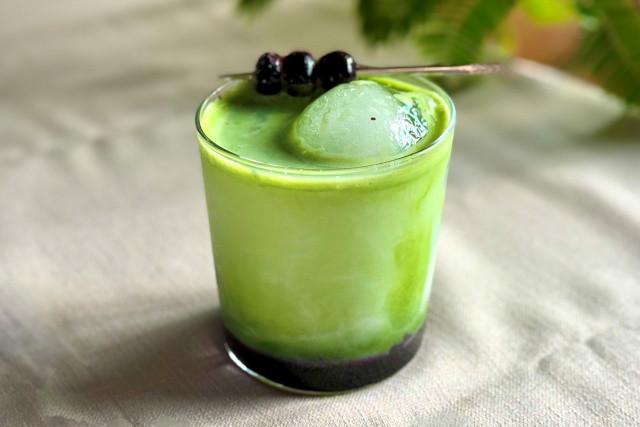
The first point to note is its visual beauty. When the vivid green of matcha overlaps with the deep purple of blueberries, beautiful layers are created that resemble a work of art.
Especially when poured into a glass as an iced drink, the contrast between the two colors stands out, creating a strong visual impact.
This visual appeal is directly linked to its popularity on social media, and a search for “matcha blueberry” on Instagram or Pinterest reveals numerous posts, showing how many people it has captivated.
A New Flavor Combination
Another reason the blueberry matcha latte has gained popularity lies in the appeal of its unique combination, which has rarely been seen before.
The pairing of matcha and blueberries gives a sense of freshness, as if tradition and trends have merged, and it captures the curiosity of many people. By adding an unexpected fruity flavor to the familiar matcha latte, it delivers surprise and enjoyment from the very first sip.
It can be said that the well-balanced taste of the blueberry matcha latte, which feels “new yet approachable,” is the reason it has been embraced by so many people.
A Way to Enjoy Seasonal Sensations
Blueberries are a fruit that comes into season in summer, and a cold blueberry matcha latte brings a refreshing quality that is perfect for hot weather. On the other hand, when enjoyed hot, it transforms into a warm and comforting flavor that pairs well with cooler seasons.
This wide range of ways to enjoy it enhances its appeal as a drink that can be enjoyed regardless of the season.
The Nutritional Components of a Blueberry Matcha Latte
A blueberry matcha latte contains nutritional components from both matcha and blueberries. Here, we briefly introduce what kinds of components are included.
The Nutritional Components of matcha
matcha is particularly high in nutritional value among green teas, and since it is consumed by ingesting the powdered tea leaf itself, nutrients can be absorbed more efficiently compared with regular tea.
Representative components of matcha include catechins, which have strong antioxidant properties, and theanine, which is an umami component and is also said to provide relaxation effects. It also contains caffeine, which is known to enhance concentration, but due to the effect of theanine, its action is expected to be gentler and longer lasting.
In addition, matcha contains abundant vitamins, minerals, and dietary fiber, and because of its excellent nutritional balance, it is attracting attention worldwide as a superfood.
The Nutritional Components of Blueberries
Blueberries are fruits valued for their fresh, sweet-and-tart flavor, but they are also noted for containing abundant nutritional components.
One well-known component is anthocyanin, a type of polyphenol that gives the fruit skin its blue-purple color. Like the catechins found abundantly in matcha, polyphenols are expected to have antioxidant effects and are gaining attention as components that support health from within the body.
In addition, blueberries contain dietary fiber and vitamins, making them a fruit you’ll want to intentionally include in your daily diet.
Furthermore, blueberries are relatively low in calories and sugars, which is another appealing point that allows them to be enjoyed in a healthy way.
Ingredients Used in a Blueberry Matcha Latte
matcha
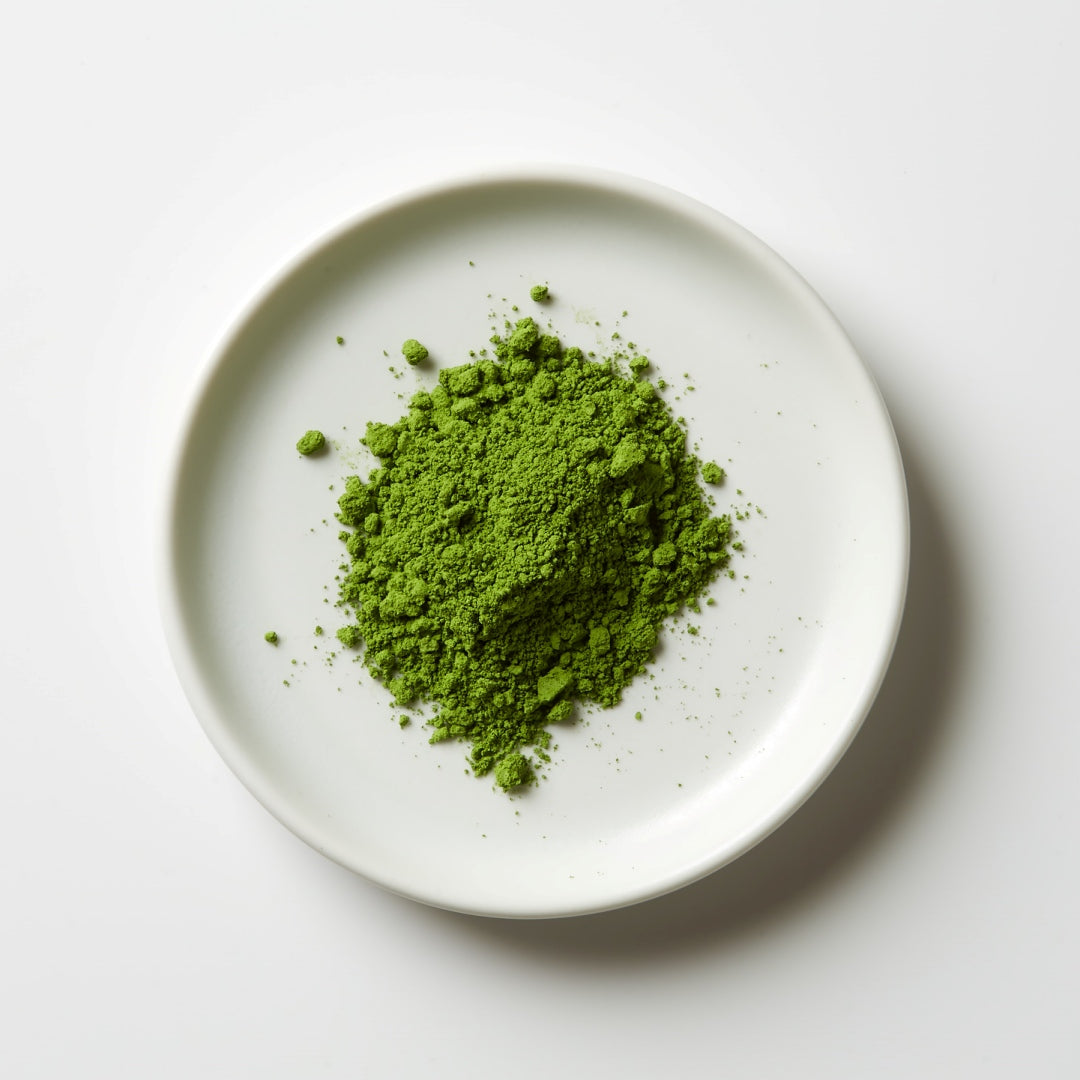
To make a delicious blueberry matcha latte, it is important to choose high-quality matcha.
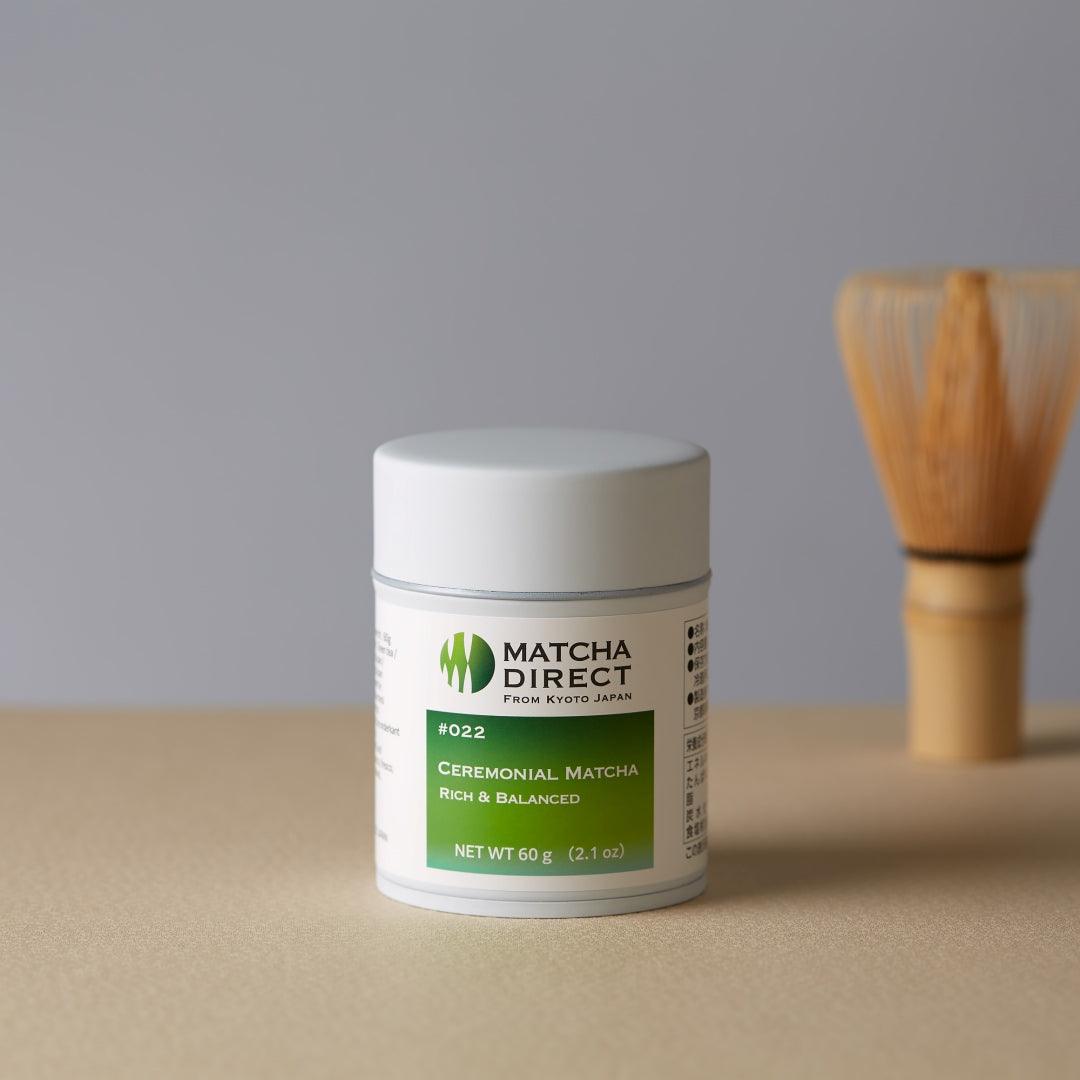
High-grade matcha such as Ceremonial Grade Matcha has little bitterness or off-flavor, a smooth mouthfeel, and allows you to feel the inherent umami and sweetness of matcha. By using this kind of matcha, the balance with the sweet-and-tart flavor of blueberries creates a more refined overall taste.
In addition, the increased depth of flavor makes it a highly satisfying cup even for those who are creates a more refined overall taste matcha.
Blueberries
Fresh blueberries can be used, but frozen blueberries are also widely used because there is little difference in nutritional value and they are easy to handle. However, some products contain food additives, so it is a good idea to check the ingredient label when selecting them.
For blueberry matcha lattes, it is common to use a syrup made by simmering the fruit, as its natural flavor and sweetness blend well with the taste of matcha.
Milk
The milk used in a blueberry matcha latte gently connects the flavors of matcha and blueberries and smooths the overall taste.
In recent years, recipes using plant-based milks such as almond milk and oat milk, in addition to cow’s milk, have also been spreading. This allows the drink to be adapted for vegan consumers as well, so it can be enjoyed by an even wider range of people.
Frequently Asked Questions About Blueberry Matcha Latte (FAQ)
What does a blueberry matcha latte taste like?
A blueberry matcha latte has a flavor in which the gentle bitterness of matcha and the sweet-and-tart taste of blueberries are in harmony. The mellowness of the milk that brings everythings together, allowing you to enjoy a rich yet refreshing mouthfeel.
What kind of matcha should be used for a blueberry matcha latte?
Higher-quality matcha has a more vivid color and enhanced aroma and umami. Especially to balance the fruitiness of blueberries, it is recommended to choose high-quality matcha such as Ceremonial Grade Matcha that does not have overly strong bitterness.
Which is better, fresh or frozen blueberries?
Both can be used, but frozen blueberries are convenient, available year-round, and easy to process into syrup for blueberry matcha lattes. Fresh blueberries are suitable when you want to enjoy visual beauty and texture.
Does a blueberry matcha latte contain caffeine?
Yes, it contains caffeine derived from matcha. However, unlike coffee, its effect is believed to be relatively mild.